
Earina mucronata
Earina mucronata
Description
Growing requirements
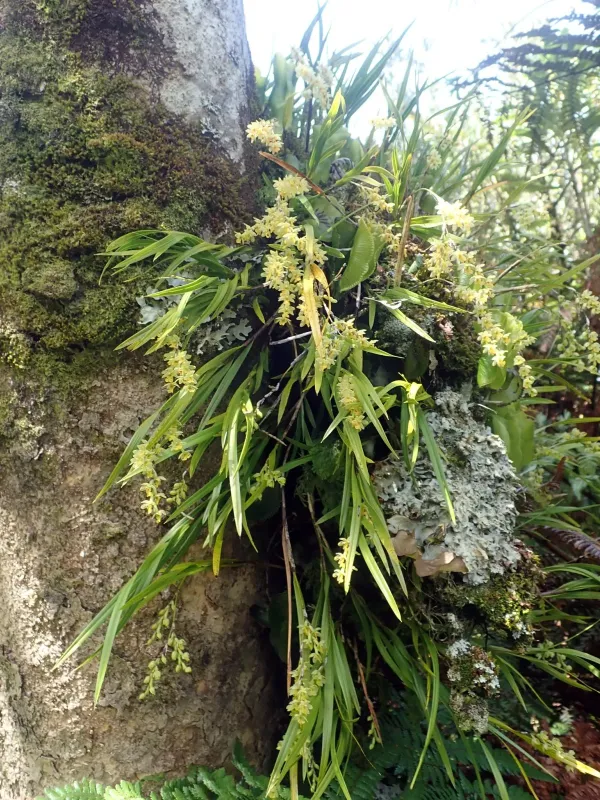
Earina mucronata is a perennial epiphytic and lithophytic plant belonging to the Orchidaceae family. It is native to New Zealand, where it demonstrates a remarkable ability to adapt to diverse ecological conditions, ranging from temperate coastal forests to exposed rocky outcrops.
The cultivation of this species requires a deep understanding of its natural epiphytic lifestyle. It thrives in well-ventilated environments with bright, indirect light. Providing adequate airflow around the root system is essential to prevent physiological stress and ensure vigorous growth during the active season.
The choice of substrate is critical for the success of Earina mucronata. Growers typically use a mixture of pine bark, charcoal, and sphagnum moss to mimic the natural medium where it anchors itself. This structure provides the necessary drainage and moisture retention required for the roots to remain healthy.
Temperature management should focus on maintaining a moderate range, ideally between 15°C and 22°C. While the plant can tolerate short periods of cooler or warmer weather, consistent climate control helps avoid potential damage to the foliage and promotes a regular flowering cycle.
Commercially, Earina mucronata is highly regarded in the ornamental horticulture sector. It is frequently sought after by orchid enthusiasts for its unique aesthetic, characterized by thin, graceful stems and clusters of small, fragrant white flowers that reflect the native flora of its region.
Main diseases and pests
Common threats to Earina mucronata include fungal root rot, primarily caused by overwatering and poor drainage within the pot. If the roots are constantly waterlogged, they lose their ability to absorb nutrients, leading to rapid decline and potential death of the entire plant.
Insect pests such as scale insects and mealybugs are frequent visitors that can severely damage the plant by feeding on its sap. These pests typically congregate in the leaf axils, making early detection and regular inspections of the entire plant a vital part of the maintenance routine.
Spider mites represent a significant risk, especially in indoor environments where air humidity is consistently low. Their presence is often identified by fine webbing and stippling on the leaves, which significantly impacts the photosynthetic capacity and overall vigor of the orchid.
Bacterial leaf spot is another concern, often triggered by stagnant air and moisture accumulation on the leaf surface. Improving ventilation and keeping the foliage dry during evening hours are essential practices for preventing the spread of such infections in a collection.
Effective management of these threats involves a combination of cultural practices, such as proper spacing and hygiene, and the cautious use of systemic or contact insecticides when necessary. Monitoring the plant's health closely ensures that issues are addressed before they become critical.