
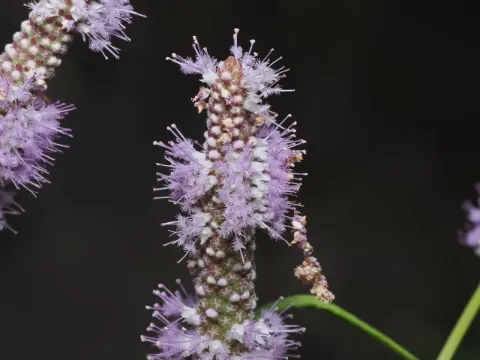
Dysophylla
Dysophylla
Dysophylla is a genus of plants belonging to the Lamiaceae family, widely known in cultivation primarily as aquarium and marginal aquatic plants. In modern taxonomy, many species of this genus are classified under the genus Pogostemon.
What the section contains


Dysophylla
The native range of Dysophylla includes tropical and subtropical regions of Asia, predominantly India, Southeast Asia, and parts of Australia. Plants of this genus prefer humid, swampy habitats, riverbanks, and shallow waters where they form dense thickets.
Botanically, Dysophylla is a perennial herb with upright or creeping stems and whorled leaf arrangements. The leaf blades are often deeply dissected, giving the plant an intricate, feathery appearance, highly prized in ornamental gardening and aquascaping.
For successful development, the crop requires high temperatures ranging from 22–28°C and intense lighting. In aquarium conditions, the plant is extremely sensitive to water parameters: it requires soft to medium water hardness and regular addition of micronutrients to maintain deep leaf coloration.
The economic use of Dysophylla is concentrated in the ornamental plant sector. It is a popular species for Dutch-style aquariums and paludariums, where it is used as a background plant to create visual volume and accents due to its bright green or reddish stem coloration.
The primary threats to Dysophylla are fungal diseases that occur when humidity levels are poorly managed or water stagnation occurs. The appearance of mold on the stems signals the immediate need for adjustments in environmental conditions.
Among pests, various species of algae pose the greatest threat as they can colonize the delicate, dissected leaves of Dysophylla, blocking the photosynthesis process. Infestations of black beard algae or filamentous algae often lead to the dieback of the plant's vegetative mass.
Insufficient lighting causes internode stretching and leaf deformation, making the bush appear sparse and unappealing. Regular pruning helps stimulate lateral branching and maintain a compact, bushy form in confined spaces.
To prevent chlorosis, it is essential to monitor iron levels in the substrate or water column. A sign of nutrient deficiency is the yellowing of young leaves, which progresses rapidly without corrective fertilization.
The use of chemical pesticides in closed environments or aquariums is prohibited due to high toxicity to other ecosystem inhabitants. Instead, biological control methods and microclimate optimization are strictly applied.