
Dysophylla tomentosa
Dysophylla tomentosa
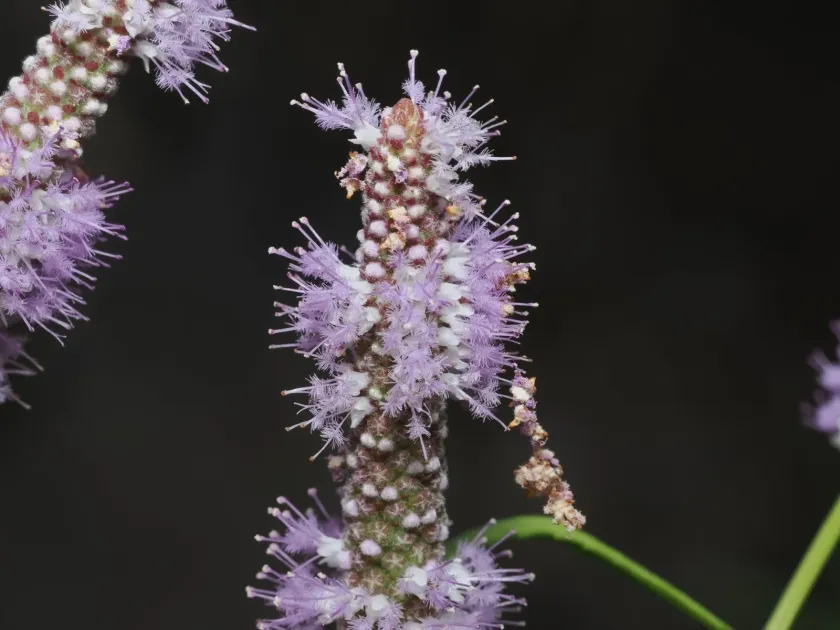
Description
Growing requirements
Dysophylla tomentosa is a notable member of the Lamiaceae family. This herbaceous perennial is native to tropical regions of Southeast Asia, where it thrives in wetlands, marshes, and riverbanks.
The plant requires high humidity levels for successful cultivation. It is strictly adapted to moist environments, and any significant drying of the soil or air can quickly lead to physiological stress and plant death.
An ideal temperature range for this crop is between 22 and 28 degrees Celsius. Soils must be nutrient-rich, preferably loamy, with high organic content and excellent water retention capacity.
Regarding light exposure, the plant prefers bright but diffused light. Direct sunlight can easily damage the delicate foliage, making greenhouse cultivation with shading nets a standard practice in regions with high solar radiation.
The economic value of Dysophylla tomentosa lies in its essential oil profile. Furthermore, the species is frequently utilized in professional landscaping for aquatic garden designs and specialized indoor plant collections.
Main diseases and pests
The primary threats to this species are fungal pathogens, specifically those related to root rot and leaf blight caused by poor ventilation and water stagnation in the growing environment.
Common pests include spider mites and whiteflies. These insects proliferate in high-humidity indoor settings and can cause severe damage to the plant's delicate stems and leaves if left uncontrolled.
Preventative measures focus on maintaining strict airflow around the crop. Proper spacing between individual plants is critical to allow leaves to dry out after irrigation and prevent the formation of damp microclimates.
In cases of infestation, the use of systemic fungicides and insecticides should be carefully calibrated. Many species in this genus are sensitive to strong chemical concentrations, suggesting the use of soft biopesticides.
Routine scouting is essential to catch outbreaks before they spread. Monitoring the undersides of leaves during weekly inspections ensures that early signs of pest pressure are mitigated efficiently.