
Echinochloa holubii
Echinochloa holubii
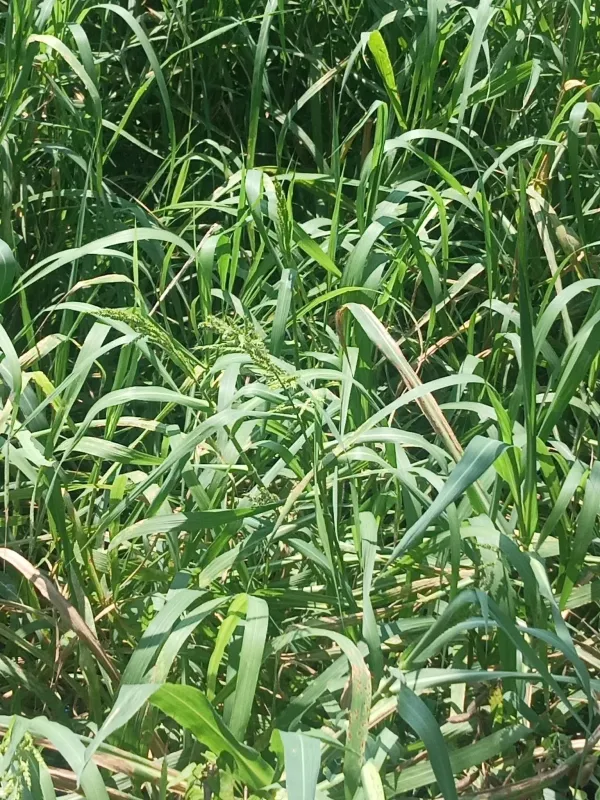
Description
Sowing dates
Echinochloa holubii is a warm-season grass that thrives in conditions with high solar radiation and stable temperatures. Planting should only occur when soil temperatures consistently exceed 15-18 degrees Celsius, as this species is highly sensitive to cold, which inhibits initial germination and seedling growth.
The ideal sowing window is typically late spring, depending on the geographical location. Early planting in cold soils often leads to poor stand establishment, making the crop vulnerable to competition from more resilient spring weeds.
Proper seedbed preparation is vital, as the seeds are relatively small. The soil must be well-pulverized and leveled to ensure uniform seeding depth, ideally between 2 to 3 centimeters, followed by light rolling to improve soil-to-seed contact.
Row spacing should be calibrated based on the intended use; narrower rows are preferred for hay production to increase density, while wider rows may be used if integrated pest management or inter-row cultivation is planned.
Optimal moisture conditions during the first two weeks post-sowing are crucial. If natural rainfall is insufficient, light irrigation might be necessary to ensure that the delicate seedlings establish a robust root system quickly.
Growing requirements
This grass species requires significant heat units to reach maturity, making it highly productive in tropical and subtropical-like summer climates. It is sensitive to frost, which limits its growing season to frost-free periods.
In terms of soil preference, Echinochloa holubii is versatile but excels in fertile, well-drained loamy soils. It demonstrates a high tolerance for varying pH levels, though it performs best in soils with a slightly acidic to neutral range.
Nitrogen fertilization is the primary driver for biomass production. Application at the tillering stage significantly boosts foliage growth, while balanced phosphorus and potassium levels are essential for root health and overall resilience.
Water management is a key factor in maximizing yields. Although the plant can tolerate short periods of excessive soil moisture, it responds best to consistent soil hydration during the peak vegetative phase.
The crop is highly light-demanding. Planting density should be carefully monitored to ensure that all plants have adequate access to sunlight, as excessive shading can lead to thin stems and reduced nutritional quality.
Yield
Yield potential is high when managed under intensive agricultural practices. Depending on environmental conditions, farmers can expect several cuts per season, providing a steady supply of green forage throughout the summer.
Dry matter yield figures are dependent on fertility levels and water availability. With proper nitrogen management, the crop can consistently produce high-quality forage that is suitable for various types of livestock.
Foraging value is maximized when the crop is harvested just before the onset of the reproductive stage. At this point, the ratio of protein to structural fiber is at its most beneficial level for animal digestion.
Regrowth capacity is a notable trait of this species. If harvested correctly—leaving enough stubble for photosynthesis—the plant will quickly produce new tillers, allowing for multiple harvests within a single growing season.
In seed production, yields are stable and reliable. Proper drying and cleaning of seeds post-harvest are essential to maintain high germination rates for subsequent plantings, ensuring long-term crop sustainability.
Main diseases and pests
Common agricultural threats include fungal pathogens that flourish in high-humidity microclimates. Rust and spot diseases are the most frequent, necessitating proper field ventilation and, if necessary, targeted fungicide applications.
Pests such as aphids and leaf-chewing insects can be problematic during the early growth phase. Early detection through regular scouting is the best way to prevent significant economic damage to the crop.
Weed competition is particularly intense during the establishment phase. Using integrated weed management practices, such as pre-emergent control or early-stage mechanical weeding, is critical for crop survival.
Root-related issues can arise if soil drainage is poor. Stagnant water can lead to root rot, especially in compacted or heavy clay soils, which can weaken the plant and lead to a significant decline in yield.
Rodents can pose a threat to both the standing crop and stored seeds. Implementing pest control measures around field perimeters and ensuring proper grain storage facilities can help mitigate these losses.
Harvesting
Harvesting for green forage should occur during the booting phase to ensure the highest nutrient density. Utilizing modern mower-conditioners helps speed up the drying process, which is essential for high-quality hay production.
When producing silage, the crop should be harvested at the soft-dough stage of the grains. This ensures the correct balance of moisture and sugars, facilitating effective fermentation within the silo.
Stubble height is a critical management decision. A height of at least 7 to 10 centimeters should be maintained to allow for rapid plant regeneration and to protect the plant's growing points from damage.
Seed harvest is conducted when the panicles reach physiological maturity. Because shattering can be an issue, harvesting should be done when the moisture content is low enough to prevent mold but high enough to keep seeds attached to the stalks.
Post-harvest management of fields involves the removal of remaining debris to prevent the buildup of pathogens, followed by light tilling to prepare the soil surface for the next crop cycle or for winter fallow.