
Dysophylla yatabeana
Dysophylla yatabeana
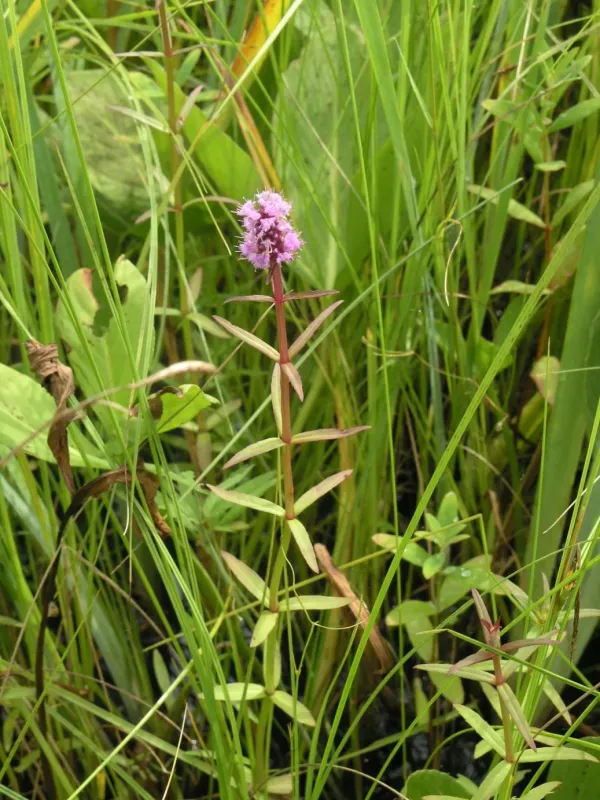
Description
Growing requirements
Dysophylla yatabeana is a distinctive aquatic plant species belonging to the Lamiaceae family, primarily adapted to wetland and shallow water ecosystems in Eastern Asia.
The plant exhibits a rapid growth habit in its natural habitat, utilizing its root system to anchor in soft, nutrient-dense substrates found along riverbanks and pond edges.
For successful cultivation, a high-intensity light environment is mandatory to maintain the plant's structural integrity and facilitate efficient photosynthesis within aquatic settings.
Environmental requirements include a consistent water temperature range between 20°C and 26°C, as the species is sensitive to rapid thermal fluctuations which can impair physiological functions.
Water quality parameters, specifically maintaining a slightly acidic to neutral pH balance, are critical for preventing mineral deficiencies and ensuring optimal development of the foliage.
Main diseases and pests
The primary threats to Dysophylla yatabeana include various aquatic fungal infections that thrive in stagnant water conditions, often leading to necrosis of the submerged stems.
Pest pressure from small aquatic invertebrates can significantly reduce the biomass of the plant by consuming delicate leaves, especially during the early growth stages.
Algal competition poses a constant threat in cultivated environments, as aggressive algae can outcompete the plant for essential light and nutrients in the water column.
Mineral imbalances, particularly a deficiency in essential micronutrients like iron, often predispose the plant to chlorosis, which subsequently weakens its resistance to pathogens.
Accumulation of decomposition byproducts in the substrate often leads to root rot, which is arguably the most common cause of failure in intensive aquatic cultivation systems.