
Drymophloeus pachycladus
Drymophloeus pachycladus
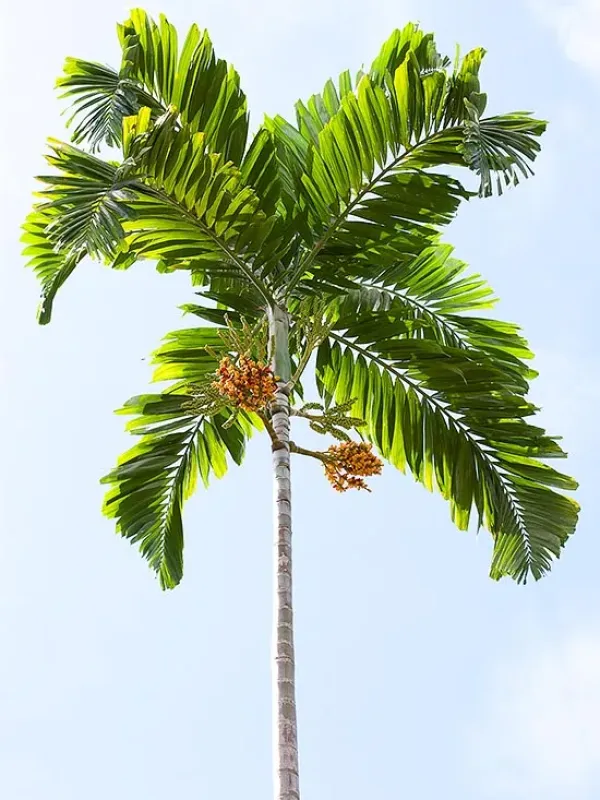
Description
Growing requirements
Drymophloeus pachycladus is a distinct species within the Arecaceae family. Originating from the dense tropical forests of New Guinea, it is highly sought after in the horticultural trade for its elegant foliage and compact growth habit.
The plant features pinnate leaves and a robust, single stem. Unlike some faster-growing palms, this species develops slowly, making it an excellent candidate for controlled indoor environments or specialized conservatory collections.
Climate requirements for this species are strict. It demands a high-humidity environment and consistent warm temperatures ranging from 22°C to 28°C. It is intolerant of cold drafts and temperatures dropping below 15°C.
Soil management involves providing a well-draining, nutrient-rich substrate. A mix consisting of peat, orchid bark, and perlite helps ensure that the root system remains aerated while retaining sufficient moisture.
Commercial and aesthetic usage is limited to decorative landscaping in frost-free regions and interior design applications in botanical gardens. Its primary value lies in its unique appearance and rarity in the global plant market.
Main diseases and pests
The primary pests affecting Drymophloeus pachycladus include the two-spotted spider mite, which thrives in warm and arid indoor environments. Regular misting is essential to deter these infestations.
Scale insects are another common threat, often attaching themselves to the underside of the leaflets and the leaf stems. They drain the sap, leading to stunted growth and yellowing of the foliage.
Root rot remains the most serious threat to the plant's longevity. This condition is primarily caused by overwatering or insufficient drainage in the pot, leading to anaerobic conditions in the soil.
Fungal leaf spots can also occur if the foliage remains wet for extended periods without adequate air circulation. Ensuring good ventilation is a key preventive measure against such infections.
Integrated pest management, including regular inspection and the use of targeted biological controls or soaps, is recommended for maintaining the health of this species in indoor cultivation.