
Drymophloeus oliviformis
Drymophloeus oliviformis
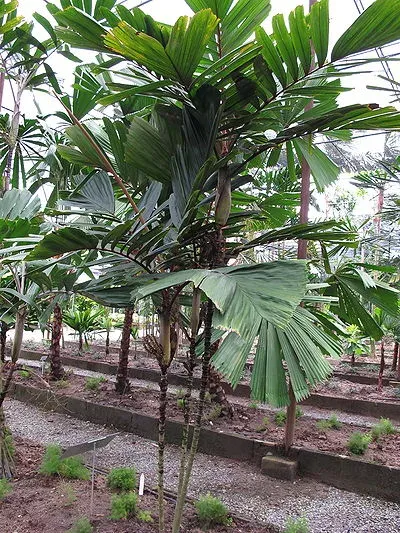
Description
Growing requirements
Drymophloeus oliviformis is a distinctive palm species belonging to the Arecaceae family. Native to the tropical rainforests of New Guinea, it is a highly valued plant among collectors for its elegant, slender, solitary stem and feathery leaves.
The botanical structure of this palm includes deeply pinnate leaves with segments resembling olives in shape, which gives the species its specific name. It is typically found in shaded, humid forest understories, which dictates its preference for indoor conditions.
Cultivation requirements involve maintaining high ambient humidity and warm temperatures year-round. It is not cold-tolerant and should be kept in environments where temperatures remain above 20 degrees Celsius.
The soil should be a well-draining, nutrient-rich mix consisting of peat, bark, and perlite. Proper drainage is critical, as waterlogged conditions quickly lead to root decay in this sensitive species.
Bright, indirect light is essential for its growth. While it prefers shaded environments, total darkness will cause the plant to become leggy and lose its vibrant coloration, therefore a spot with diffused daylight is ideal.
Main diseases and pests
The primary pests affecting Drymophloeus oliviformis are spider mites, especially when the indoor air is too dry. Regular misting and maintaining humidity levels around 60-70% significantly reduce the risk of infestation.
Scale insects and mealybugs can also attack the palm, feeding on sap and hiding in the tightly packed segments of the leaves. Manual removal combined with horticultural oils is often effective if caught early.
Fungal leaf spot diseases may occur due to poor air circulation or over-watering. These spots can disfigure the foliage and negatively impact the overall vigor of the plant, necessitating fungicide intervention.
Root rot is the most serious threat caused by improper watering practices. If the soil remains soggy for too long, the root system begins to decay, often becoming irreversible without repotting into fresh medium.
To ensure long-term health, monitor the plant for any signs of yellowing leaves, which may indicate either nutrient deficiency or pest activity. Preventive care and regular cleaning of leaves are vital for this decorative palm.