
Drymophloeus litigiosus
Drymophloeus litigiosus
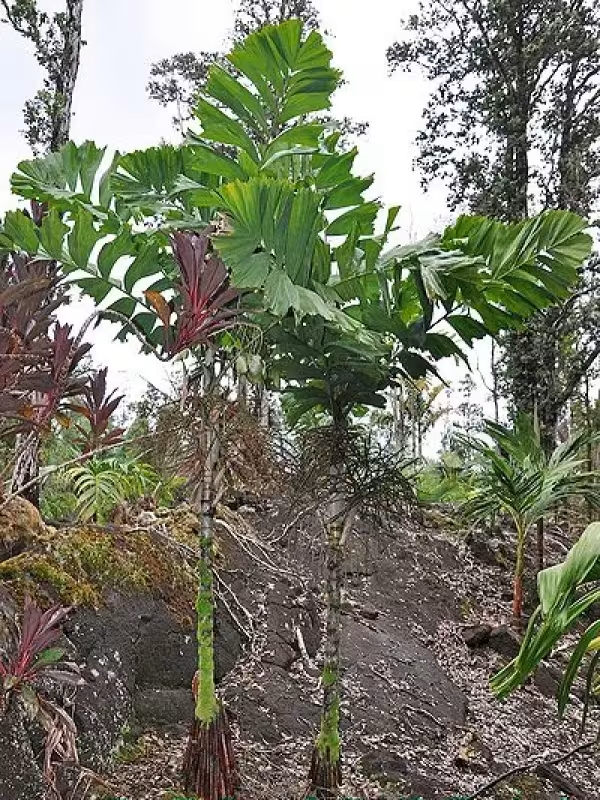
Description
Growing requirements
Drymophloeus litigiosus is an elegant species belonging to the Arecaceae family. Native to the humid rainforests of Southeast Asia, specifically Indonesia and New Guinea, this palm is highly valued by botanists and collectors for its distinctive pinnate leaves and slender habit.
This species thrives in a strictly tropical environment. It requires consistent warmth and protection from cold drafts, as it is non-hardy and sensitive to temperatures below 15°C. In its natural habitat, it grows in the understory of dense forests, thriving in filtered, dappled sunlight.
The soil requirements for this palm are quite specific. It prefers a rich, organic, well-draining substrate that mimics the leaf litter environment of a rainforest floor. A mixture of peat moss, perlite, and bark chunks helps maintain the necessary moisture levels while preventing root rot.
Cultivation requires careful attention to air humidity. Since it is native to high-humidity rainforests, maintaining ambient humidity above 65% is crucial. It is highly recommended to group this plant with other tropical species or use a humidifier to prevent leaf tip desiccation.
The primary use of Drymophloeus litigiosus is ornamental. It is commonly found in botanical gardens, conservatories, and high-end indoor landscapes where a touch of tropical elegance is required. Its compact size makes it suitable for container gardening within controlled interior spaces.
Main diseases and pests
The main pests affecting this palm are spider mites and mealybugs, especially in indoor environments where the air may become too dry. Early detection through regular leaf inspections is the best way to manage these populations and maintain the plant's health.
Fungal leaf spot diseases represent a significant threat if air circulation is poor. To mitigate these risks, ensure that the plant is placed in an area with adequate airflow and avoid overhead watering, which can trap moisture on the leaf surfaces and encourage pathogens.