
Doryopteris pilosa
Doryopteris pilosa
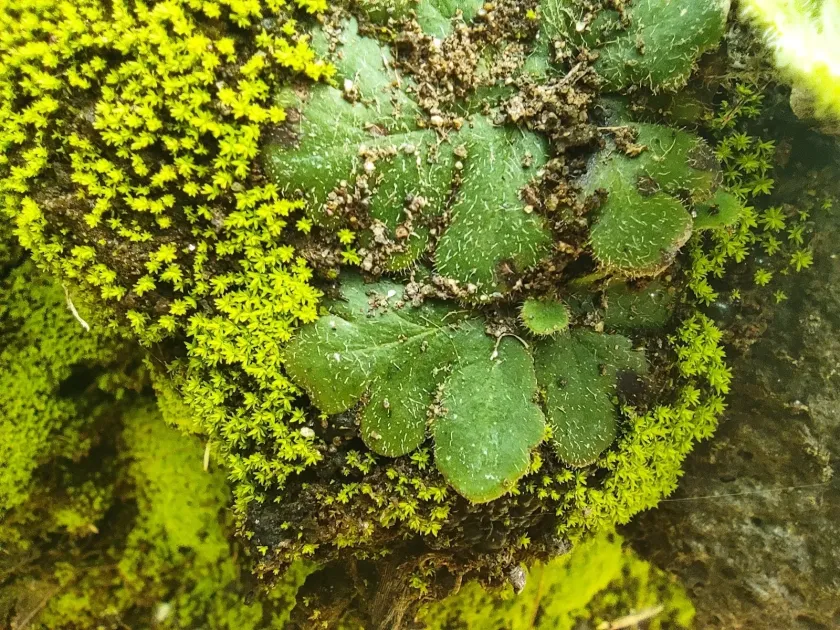
Description
Growing requirements
Doryopteris pilosa is a distinct species of fern belonging to the Pteridaceae family. Recognized for its unique, hair-like covering on the fronds, it serves as a highly sought-after specimen for indoor plant collections and botanical displays in tropical settings.
The plant originates from the tropical regions of Hawaii, where it inhabits humid, shaded rocky slopes. Cultivating it successfully requires replicating these environmental conditions, specifically focusing on high ambient humidity and consistently moderate temperatures between 18 and 24 degrees Celsius.
Regarding soil requirements, Doryopteris pilosa thrives in a well-draining, nutrient-rich substrate. A mixture of peat, sphagnum moss, and perlite is often recommended to maintain adequate moisture levels without inducing root rot, which is a major risk factor for this delicate fern.
Placement of the plant should be chosen carefully to ensure filtered, indirect light. Prolonged exposure to intense direct sunlight will rapidly cause the fronds to scorch, while extreme shade can inhibit growth and lead to the development of weak, elongated stems.
Watering must be approached with caution; the soil should remain consistently moist to the touch but never saturated. Using rainwater or filtered water is highly beneficial, as this species is sensitive to the chlorine and mineral deposits often found in standard tap water.
Main diseases and pests
The most common pests affecting Doryopteris pilosa include scale insects and mealybugs, which tend to congregate along the undersides of the fronds. Regular inspection is essential to manage these populations before they cause significant damage to the plant structure.
Fungal issues, such as root rot and leaf spot, typically emerge when drainage is compromised or humidity levels are combined with poor airflow. Maintaining good ventilation around the plant and ensuring the pot allows for excess water to drain freely are key strategies to prevent these pathogens.