
Doryopteris nobilis
Doryopteris nobilis
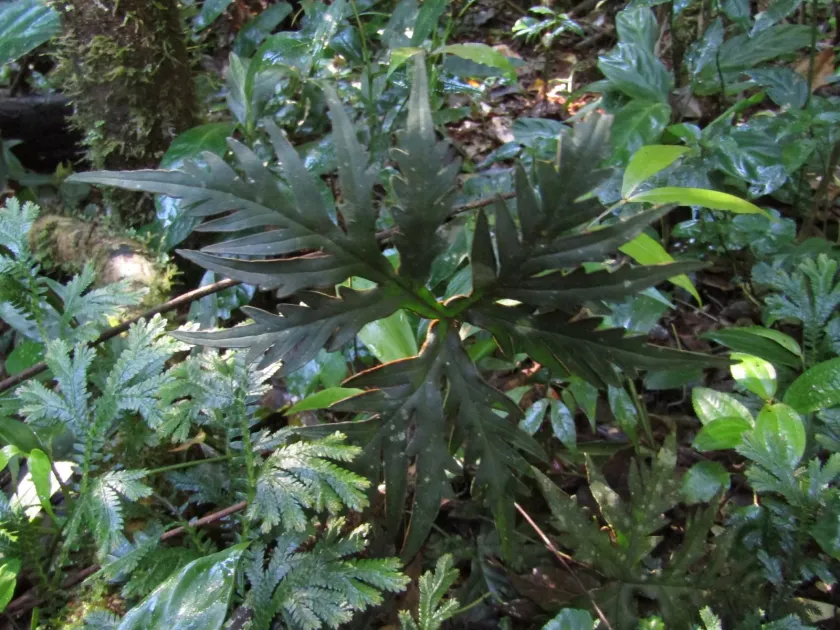
Description
Growing requirements
Doryopteris nobilis is a species of fern belonging to the Pteridaceae family. Originating from the tropical rainforests of Brazil, this plant is valued for its unique foliage and is cultivated as an ornamental species in various regions worldwide.
Botanically, the plant is characterized by its shield-shaped fronds that undergo a transformation into more divided, complex shapes as the plant matures. It grows in compact rosettes, making it an excellent choice for indoor settings and specialized terrariums.
To thrive, Doryopteris nobilis requires a high humidity level, ideally between 60% and 70%. The ambient temperature should be maintained between 18 and 24 degrees Celsius, avoiding exposure to cold drafts or heat sources that dry out the air.
The soil must be light, airy, and slightly acidic. A mixture of peat, leaf mold, and perlite is recommended to ensure adequate drainage while retaining enough moisture for the roots to remain healthy throughout the growing season.
Lighting should be indirect and filtered. Direct sunlight causes the delicate leaf tissue to scorch, while deep shade can lead to stunted growth and loss of the characteristic vibrant green color of the fronds.
Main diseases and pests
The primary threats to this culture are spider mites and scale insects. These pests thrive in dry air conditions and can quickly weaken the plant by feeding on the sap of the tender leaves, requiring immediate treatment with appropriate pesticides.
Root rot is a critical issue caused by overwatering or poor drainage. If the substrate remains waterlogged for too long, the root system begins to decay, which is often fatal if not addressed by immediate re-potting and drying.
Fungal pathogens can occasionally affect the fronds, especially in stagnant or poorly ventilated environments. Maintaining proper airflow is essential to prevent the spread of gray mold and other foliage-destroying fungi.
Nutrient deficiencies or improper water quality (such as hard water with high mineral content) may lead to chlorosis or browning of leaf tips. Using distilled or filtered water is a common practice for successful fern maintenance.
Regular sanitation, such as removing dead or damaged fronds, is necessary to keep the plant vigorous and to reduce the available surface area for potential pests and disease outbreaks to colonize the foliage.