
Doryopteris cordifolia
Doryopteris cordifolia
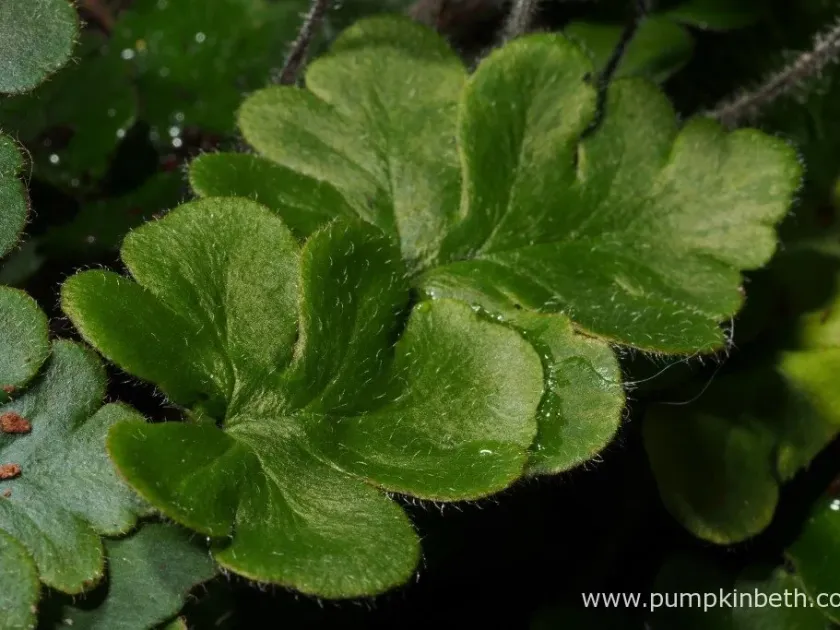
Description
Growing requirements
Doryopteris cordifolia belongs to the Pteridaceae family and is a distinctive fern species known for its heart-shaped fronds. Originating from the tropical forests of South America, this plant is well-adapted to humid and shaded environmental niches.
For successful cultivation, the plant requires a stable climate with temperatures ranging between 18 and 24 degrees Celsius. It is particularly sensitive to sudden temperature fluctuations, which can significantly stress the plant and lead to tissue damage.
Soil requirements are strict: the medium must be well-drained, acidic, and rich in organic matter. A mixture of peat, perlite, and shredded bark is generally recommended to provide the necessary structure and aeration for the delicate root system.
Moisture management is essential. Doryopteris cordifolia thrives in high-humidity environments, typically around 70%. In commercial or home settings, consistent humidity should be maintained to prevent leaf desiccation and promote healthy growth.
Light exposure should be diffused and indirect. The plant is prone to leaf scorch if exposed to direct sunlight, making placement in partial shade or the use of light-filtering fabrics critical for maintaining foliage quality.
Main diseases and pests
Root rot is the primary pathological threat, typically induced by waterlogged soil and poor drainage. This condition can rapidly compromise the health of the rhizome and lead to total plant failure if not detected early.
Pest pressure often stems from spider mites and scale insects. These pests thrive in environments with low air humidity and poor circulation, quickly colonizing the underside of the fronds and the petioles.
Integrated pest management involves regular monitoring and the use of soft-acting insecticides if infestation occurs. Given the sensitivity of fern fronds, chemical treatments should be tested on a small area before full-scale application.
Disease prevention is primarily achieved through sanitation. Sterilizing tools and using fresh, high-quality soil substrates significantly reduce the risk of introducing soil-borne pathogens into the collection.
Environmental stress is a frequent precursor to disease. By ensuring that irrigation water is not contaminated and that air circulation is adequate but not drafty, growers can maintain high resistance in Doryopteris cordifolia populations.