
Dopatrium nudicaule
Dopatrium nudicaule
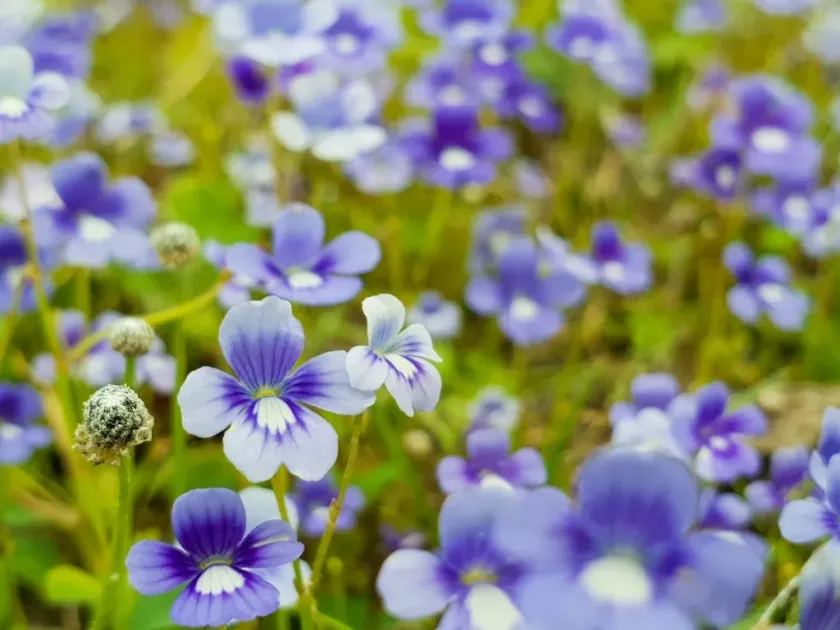
Description
Growing requirements
Dopatrium nudicaule is a small, annual herbaceous plant classified within the Plantaginaceae family. It is distinct for its specific physiological adaptation to aquatic and semi-aquatic habitats, making it a specialized species rather than a conventional dry-land crop.
The native range of this plant encompasses tropical regions across Africa and Asia. It is frequently observed growing in moist depressions, muddy substrates, and paddy fields, where it thrives alongside rice cultivation due to the shared environmental preferences.
The cultivation requirements for this species are centered on high water availability. It demands consistently saturated soil or shallow water conditions to complete its vegetative and reproductive cycles successfully, as it lacks mechanisms for drought resistance.
Regarding soil preferences, Dopatrium nudicaule flourishes in silty or clay-rich sediments that provide stable nutrient levels. The plant is highly sensitive to light exposure and performs best in open, unshaded areas where photosynthesis can proceed at a high rate under sufficient sunlight.
The optimal thermal conditions for this plant typically align with tropical climates, requiring temperatures between 22°C and 30°C. Maintaining a consistent thermal and hydrological balance is essential to prevent physiological stress and ensure the development of healthy, seed-bearing populations.