
Dopatrium junceum
Dopatrium junceum
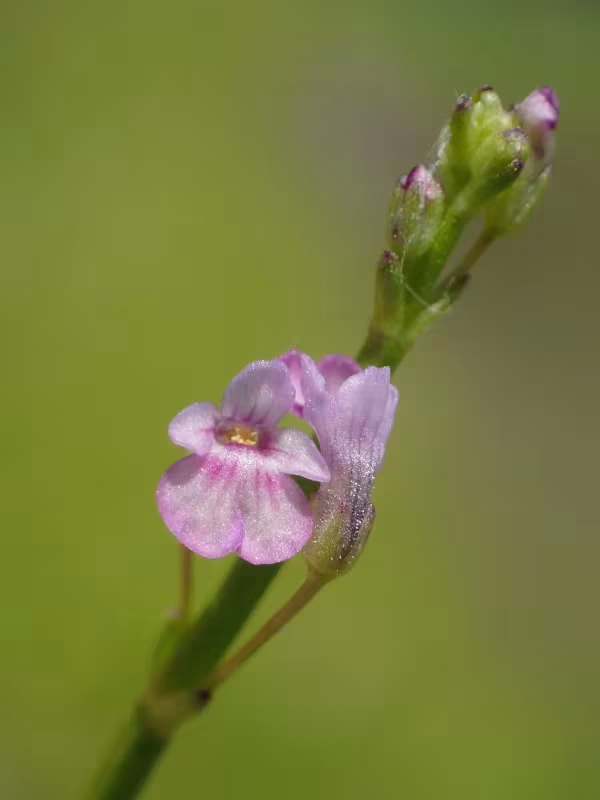
Description
Sowing dates
Dopatrium junceum is an aquatic plant whose germination process is strictly regulated by environmental conditions, particularly water saturation.
In paddy field environments, seed germination typically initiates once the field is submerged, coinciding with the rice planting season.
Seeds are known for their ability to remain dormant in the soil bank for multiple years, waiting for the specific moisture conditions they require.
The optimal thermal range for successful seedling development is between 20°C and 30°C, typical for tropical agricultural regions.
Shallow burial in nutrient-rich silt is ideal for supporting initial root growth and establishing the plant within the flooded field.
Growing requirements
This species belongs to the Plantaginaceae family and is specifically adapted to hydric habitats such as swamps and irrigated agricultural landscapes.
A constant, high level of water is essential for this plant, as it functions as an obligate wetland species in its primary natural range.
High light intensity is required for optimal photosynthesis; therefore, it thrives best in open field areas with minimal canopy cover from surrounding plants.
The preferred soil type consists of clay or organic-rich silts that provide both structural support and necessary minerals for its delicate anatomy.
Temperature stability is crucial, as the plant is sensitive to cold shocks that can inhibit growth and lead to premature chlorosis of the foliage.
Main diseases and pests
The primary threats to this plant in an agricultural setting include the intensive use of herbicides aimed at maintaining rice field hygiene.
Aquatic pests, including certain species of crustaceans and mollusks, can cause physical damage to the leaves and submerged stems of the plant.
Pathogenic fungi that thrive in stagnant, poorly aerated water bodies can cause collar rot and affect the overall health of the specimen.
Competition from fast-growing, aggressive weeds often leads to the displacement of Dopatrium junceum in managed agricultural ecosystems.
Human-induced changes, such as the drainage of wetlands or alteration of irrigation schedules, represent the most significant threat to its survival.