
Dopatrium lobelioides
Dopatrium lobelioides
Description
Growing requirements
Dopatrium lobelioides is a distinct species belonging to the Plantaginaceae family, primarily known for its semi-aquatic growth habit. This plant typically occupies ephemeral wetland environments where moisture levels remain consistently high throughout the growing season.
The plant thrives in tropical and subtropical climates where temperatures are warm and stable. It requires high relative humidity to prevent desiccation of the foliage, making it highly dependent on the microclimate of its immediate surroundings.
Soil requirements are quite specific, as it thrives best in nutrient-rich, silty substrates that mimic its natural riverbank or swampy habitat. Ensuring that the substrate remains saturated without becoming stagnant is a key aspect of successful cultivation.
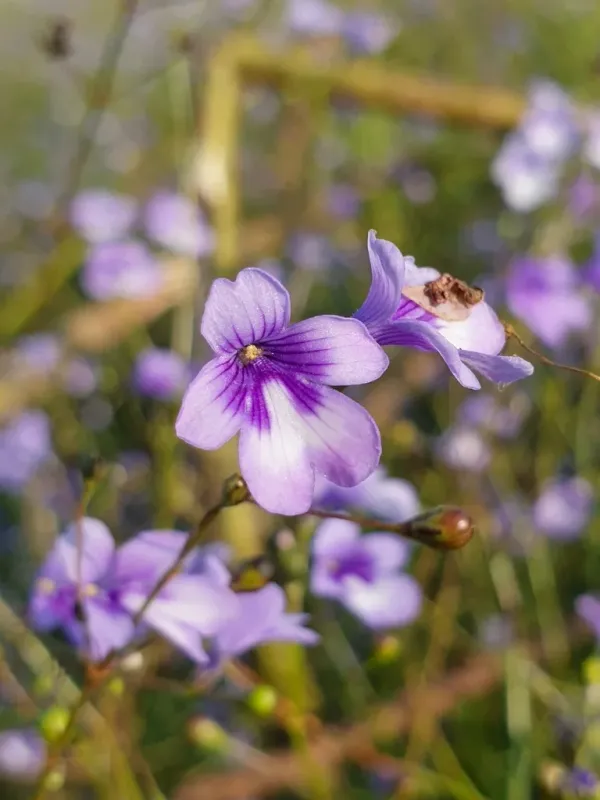
Botanically, it features slender, delicate stems and small, uniquely shaped flowers. Its ability to adapt to varying water depths makes it a specialist plant, requiring constant monitoring of water levels in artificial cultivation settings to avoid stress.
The primary use of this species is in specialized horticulture, particularly for botanical collections and display aquariums. Due to its relative rarity and specific environmental needs, it serves as a niche plant for advanced collectors interested in wetland flora.
Main diseases and pests
The major threats to Dopatrium lobelioides include various fungal pathogens that flourish in poor-quality water or overcrowded environments. Root rot and stem decay are common symptoms of improper water management or poor sanitation.
Pest management is crucial as aquatic invertebrates may graze on the stems. Furthermore, the encroachment of aggressive filamentous algae can quickly suppress the plant, making regular maintenance and water filtration systems essential for survival.