
Disa uniflora
Disa uniflora
Description
Growing requirements
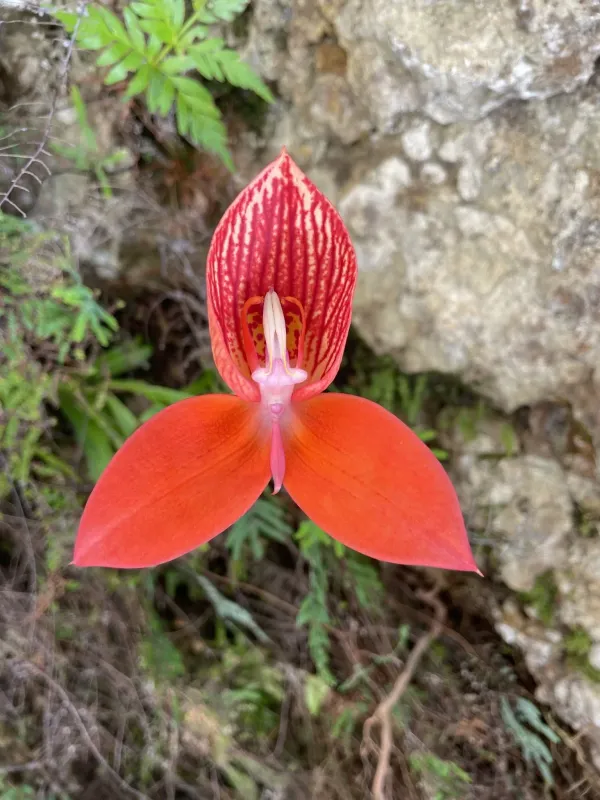
Disa uniflora is a magnificent terrestrial orchid belonging to the Orchidaceae family. Naturally occurring in the Western Cape of South Africa, it primarily inhabits wet, rocky slopes near waterfalls and streams, making it a unique species with specific water requirements.
Cultivation requires a highly porous, acidic growing medium. Enthusiasts typically use a combination of long-fiber sphagnum moss and inorganic drainage materials like perlite or fine bark, ensuring the roots remain cool and aerated throughout the growing season.
Environmental control is essential for this species. Disa uniflora thrives in moderate temperatures and is sensitive to heat stress; therefore, greenhouse or indoor conditions must include active cooling measures during the summer months to prevent dehydration and dormancy issues.
The water chemistry is a critical factor for the longevity of the plant. It demands pure, low-conductivity water, as salts will damage its delicate root system. Consistent moisture is required, but it must be balanced with rapid drainage to avoid root rot.
Light intensity should be high but diffused. While these orchids need significant energy to produce their iconic red flowers, they cannot tolerate harsh, direct sunlight. Proper shading materials are necessary to ensure leaf health and prevent tissue damage.
Main diseases and pests
Common pests for Disa uniflora include aphids, which are attracted to the tender emerging flower spikes. Monitoring and manual removal or the use of mild horticultural soaps are recommended to protect the integrity of the bloom during the peak season.
Root pathogens and Botrytis are major threats in environments with poor air circulation. Implementing oscillating fans to ensure constant, gentle air movement is a standard practice in professional orchid cultivation to keep fungal populations at bay.