
Disa saxicola
Disa saxicola
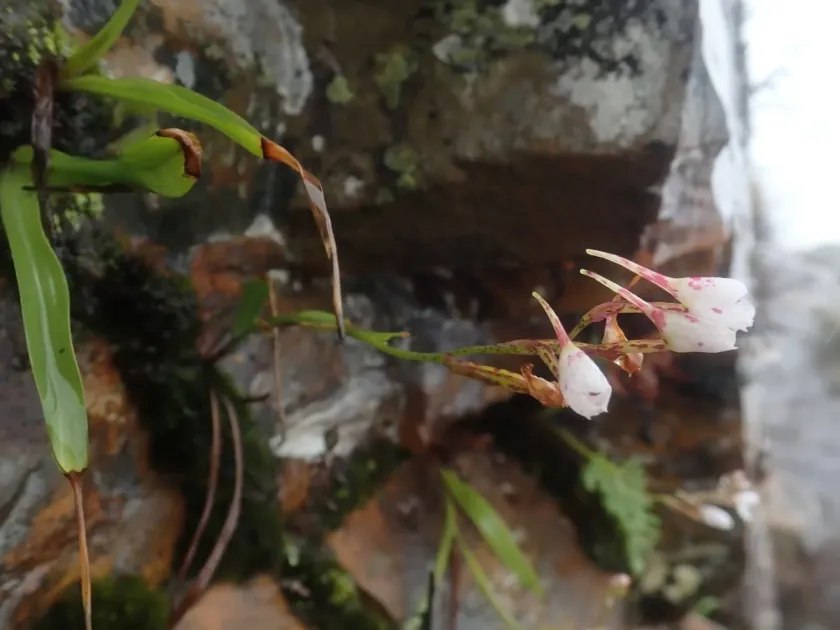
Description
Sowing dates
Propagation of this culture in controlled environments is typically achieved through division of the rhizomes after the flowering phase.
Seed propagation is a complex laboratory process requiring in vitro cultivation on sterile nutrient media due to the microscopic size of seeds.
When dividing the plant, it is essential to ensure that each segment contains viable roots and healthy growth buds for future development.
Sterilization of cutting tools is a mandatory step to prevent the transmission of viral or fungal pathogens between parent and daughter plants.
Newly divided specimens should be placed in a high-humidity environment with moderate lighting until they establish a robust root system.
Growing requirements
Disa saxicola belongs to the Orchidaceae family and is native to the rocky habitats of South Africa, demanding specific care.
The culture thrives in cool to intermediate temperature ranges, requiring consistent airflow to mimic its natural mountain environment.
The growing medium must be highly porous and acidic, typically composed of perlite, sphagnum moss, and high-quality conifer bark.
Watering requires high-quality water with low mineral content; overhead watering is generally discouraged to prevent water accumulation in the crown.
Light intensity should be high but indirect to prevent leaf scorching, especially during the peak of the growing season.
Main diseases and pests
Fungal infections and root rot are the primary threats, often resulting from improper watering schedules or poor drainage systems.
Pests such as mealybugs and spider mites can colonize the plant if the ambient humidity levels are allowed to remain too low.
Early intervention with horticultural soaps or systemic insecticides is necessary to protect the plant from significant infestation.
Preventive maintenance involves regular inspection of the lower leaf surfaces and the root zone for early signs of distress.
- Regular ventilation of the growing area.
- Monitoring for humidity levels (60-70%).
- Routine sanitation of the growing environment.