
Hairy persimmon
Diospyros villosa
Description
Growing requirements
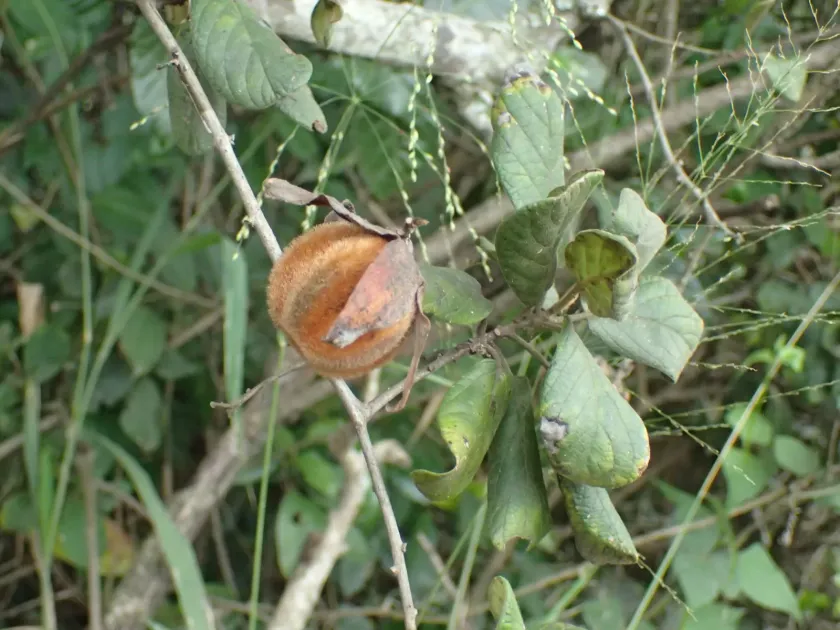
The hairy persimmon (Diospyros villosa) is a member of the Ebenaceae family. It is distinguished by the dense, soft hairs covering its young branches and foliage, an adaptation that helps the plant thrive in its native habitats in Southern Africa.
This species naturally occurs in subtropical and coastal regions, favoring environments that provide consistent warmth throughout the year. It is not cold-hardy and requires protection from frost to maintain healthy growth and ensure annual fruit production.
Soil conditions are critical for the health of this tree. It thrives in well-drained, fertile soil. Excessive moisture retention in the root zone can lead to fungal pathogens, making the incorporation of sand or gravel into the soil mix essential for pot-grown specimens.
Exposure to full sun is mandatory for this plant. As an exotic fruit tree, it needs high light intensity to support its metabolic processes and the production of sugar in its fruits, which contributes to their edible quality.
Watering practices should balance the need for moisture with the necessity of drying out the topsoil layer. Regular irrigation is beneficial during the active growth phase, while watering should be reduced significantly during the dormant or cooler seasons.
Main diseases and pests
Like many species in the Diospyros genus, the hairy persimmon can be affected by various pests, including scale insects and mealybugs. Regular monitoring of the underside of leaves is necessary to catch infestations early.
Fungal diseases, such as leaf spot or root rot, may occur if the plant is grown in conditions with poor air circulation or excessive humidity. Maintaining proper spacing and pruning for airflow is a standard preventative measure.
Soil-borne nematodes can occasionally pose a threat to the root system, particularly in sandy soils. Integrated pest management, including the use of beneficial nematodes or appropriate organic soil amendments, is recommended.
Nutrient deficiencies, specifically iron or magnesium, can manifest as chlorosis on the leaves. Balanced fertilization with micronutrients can help maintain the plant's vigor and color throughout the growing season.
Protection from extreme wind is also important, as physical damage to the leaves can open pathways for secondary bacterial infections. Providing a windbreak or a sheltered location is a vital part of its cultivation strategy.
Harvesting
The fruit of the hairy persimmon is a small berry that becomes edible once fully ripe. During the ripening process, the concentration of tannins decreases, allowing the natural sweetness and complex flavors of the fruit to become more pronounced.
Harvesting is typically done by hand. Growers must ensure the fruits are soft to the touch before consumption to avoid the astringent sensation caused by tannins in the unripe skin and flesh.
The fruit is utilized primarily in local culinary practices within its native range. It is often eaten fresh, but can also be processed into preserves or traditional food products that highlight its nutritional profile.
While not a commercial crop on a global scale, the hairy persimmon holds significance for local food security and biodiversity in the regions where it grows. Continued research into its propagation could expand its cultivation potential.
Beyond its culinary value, the tree provides habitat for local pollinators, which are essential for its fruit set. Maintaining a balanced ecosystem around the tree supports higher yields and better fruit quality.