
Diospyros hasseltii
Diospyros hasseltii
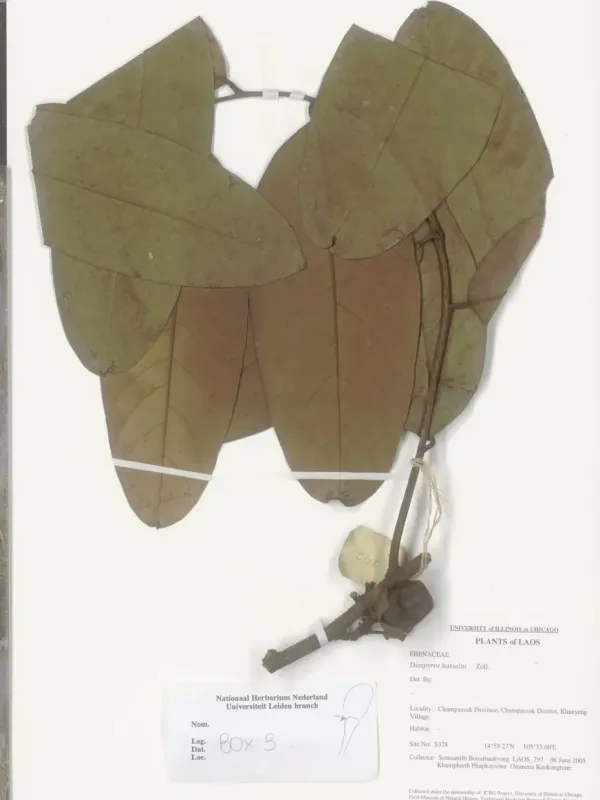
Description
Growing requirements
Diospyros hasseltii is a distinguished member of the Ebenaceae family, widely recognized for its robust biological characteristics and ecological importance in Southeast Asia. This species is native to the tropical rainforests, thriving in dense canopy structures.
Botanically, it features leathery leaves and a dense wood structure that characterizes the genus. The plant is considered a significant resource for sustainable forestry in its native range, including regions like Malaysia and Indonesia.
Climatic requirements for the successful cultivation of Diospyros hasseltii involve a humid tropical environment with minimal temperature fluctuations. It thrives in regions with consistent rainfall, which is essential for its vegetative growth cycles.
The soil requirements are specific: the tree prefers deep, well-drained loamy soils rich in organic matter. Avoidance of waterlogged areas is critical to prevent root diseases and ensure healthy development of the tree trunk.
Agricultural management includes precise spacing between trees to ensure adequate airflow and sunlight penetration. In professional nursery settings, consistent moisture levels and controlled humidity are maintained until the saplings reach a robust size.
Main diseases and pests
Wood-boring insects represent the primary pest threat to Diospyros hasseltii, as they can compromise the integrity of the valuable timber by creating deep galleries within the trunk.
Root rot pathogens, particularly in areas with poor soil drainage, can lead to widespread mortality among young plantation stands. Implementing proper drainage systems is the main preventative measure.
Fungal leaf spot diseases are common during the monsoon season, requiring vigilant monitoring and integrated management strategies to protect the photosynthetic surface area.
Nematode infestations in the rhizosphere can stunt tree growth in juvenile stages. Soil analysis and the application of beneficial soil microbes can mitigate these negative effects.
Habitat loss and poor regeneration rates in the wild highlight the necessity for organized, sustainable cultivation practices to preserve this valuable species for future generations.