
Diospyros glandulosa
Diospyros glandulosa
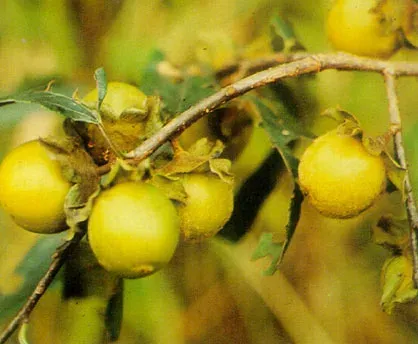
Description
Growing requirements
Diospyros glandulosa is a species of flowering plant within the Ebenaceae family. It is known for its distinct botanical characteristics and is native to warm subtropical regions, where it thrives in environments that provide consistent temperatures.
This tree requires a sunny location with exposure to direct sunlight for the majority of the day. Proper sunlight exposure is crucial for the development of its foliage and the subsequent production of fruit during the warm season.
The ideal soil conditions for this species are well-draining loams that are rich in organic matter. A soil pH ranging from slightly acidic to neutral is preferred to ensure optimal nutrient uptake by the root system.
Watering requirements are specific: the tree needs sufficient moisture to grow but must not be left in waterlogged conditions, as this can easily lead to root rot. Mulching around the base can help maintain consistent soil moisture levels.
Botanically, the species is identified by its gland-bearing foliage. It grows as an evergreen or semi-deciduous tree depending on the local climate conditions and exhibits a dense canopy structure when properly maintained.
Yield
The economic use of Diospyros glandulosa is often associated with its role in local agriculture and as a rootstock for other persimmon varieties. The fruits are harvested for consumption once they have fully matured and lost their natural astringency.
Yield capacity is highly dependent on age and site conditions. With adequate nutrition and regular pruning, a mature tree can produce a consistent yield that supports both local consumption and ornamental interests.
Fruit quality is improved by managing the plant's nutritional intake throughout the growing cycle. Balanced fertilization helps ensure that the fruit develops the necessary sugar levels and nutritional profile expected of the genus.
Harvesting is typically done by hand to prevent bruising the delicate fruits. Post-harvest, they are often stored in cool, well-ventilated areas to slow down the ripening process and extend shelf life.
As a garden or orchard specimen, it serves as a valuable genetic resource. Its development through careful selection and breeding continues to be of interest to horticulturists focused on subtropical plant diversity.
Main diseases and pests
Common fungal diseases, particularly those affecting leaves and fruit skin in humid climates, present the main threat to plant health. Applying preventative fungicides during the rainy season is a standard management practice.
Scale insects are among the most persistent pests for Diospyros species. They attach themselves to bark and twigs, draining the sap and potentially stunting growth if not controlled through manual cleaning or systemic insecticidal sprays.
Mite infestations can occur during periods of high heat and low humidity. Monitoring the underside of leaves for early signs of infestation is essential for maintaining a healthy foliage canopy throughout the year.
Extreme winter conditions or sudden frost events can cause damage to the trunk and tender branches. Protective covering is recommended for young trees until they are sufficiently established to withstand local winter temperatures.
Nutrient deficiencies, particularly regarding trace minerals, can manifest as chlorosis or stunted development. Regular diagnostic soil tests allow for the necessary adjustments to the fertilizer regimen to prevent long-term stress.