
Diospyros diepenhorstii
Diospyros diepenhorstii
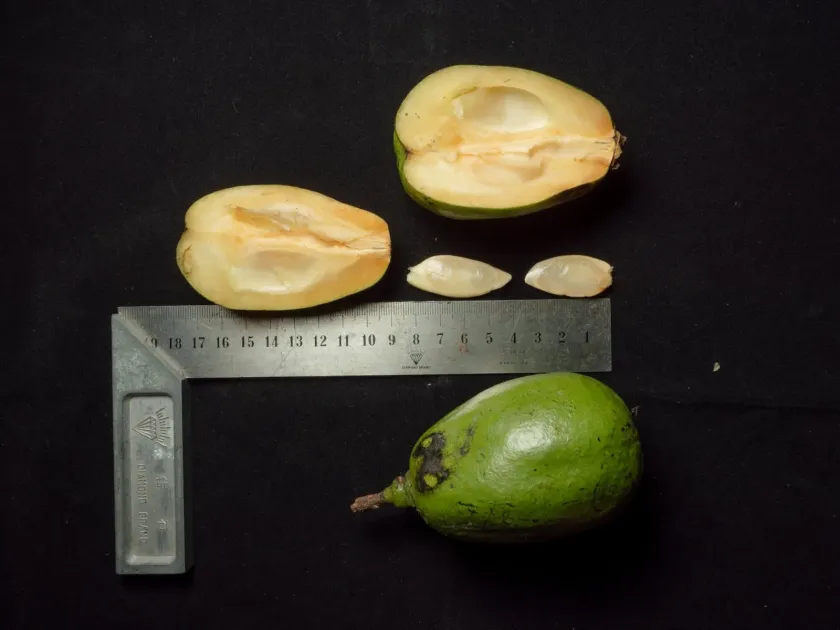
Description
Growing requirements
Diospyros diepenhorstii is a significant member of the Ebenaceae family, native to the tropical rainforests of Southeast Asia. This evergreen tree is closely related to commercial persimmon species but requires specific environmental conditions to thrive.
The plant originates from the tropical regions of the Malay Archipelago. Its primary habitat requires a constant warm and humid climate, making it ideal for tropical greenhouse environments or specific equatorial plantation zones.
Regarding soil requirements, the species performs best in well-drained, nutrient-rich loamy soils. It cannot tolerate waterlogging, which often leads to rapid deterioration of its root system, therefore, soil aeration is a critical management factor.
Cultivation practices involve providing sufficient organic mulch to simulate forest conditions and protect roots from temperature fluctuations. While it tolerates partial shade, adequate light is necessary for flowering and subsequent fruit development.
Host-plant utility centers on the quality of its wood, which is dense and durable, and its edible fruits which are harvested by local communities. This crop represents a niche segment in tropical agroforestry systems.
Main diseases and pests
The primary threats to Diospyros diepenhorstii involve pathogenic fungi that thrive in high humidity. These diseases primarily manifest as leaf spots and stem rots if air circulation is inadequate.
Insect pests such as scale insects and mealybugs present a consistent challenge. They often cluster on the undersides of leaves and along stems, extracting plant sap and reducing overall vigor.
Management strategies for these threats involve integrated pest management (IPM) techniques. Maintaining proper tree spacing and avoiding excessive moisture retention in the canopy are the most effective preventive measures.
Root-knot nematodes can also be problematic if the soil is sandy or if infected nursery stock is planted without inspection. Soil solarization or biological controls are often used to mitigate these soil-borne issues.
Early detection and regular monitoring are essential for successful cultivation. By ensuring optimal hygiene in the plantation, growers can prevent the spread of diseases and maintain a healthy productive cycle.