
Makassar ebony
Diospyros celebica
Description
Growing requirements
Diospyros celebica, commonly known as Makassar ebony, is a distinct species in the Ebenaceae family. It is native to the Indonesian island of Sulawesi and is globally recognized for its highly prized, decorative dark-colored heartwood.
This tree requires a strictly tropical environment to flourish. It thrives in regions with consistent high temperatures and significant annual rainfall. It is intolerant to cold stress and frost, making it suitable only for specific low-latitude geographical zones.
Regarding soil requirements, the tree prefers deep, well-drained, and nutrient-rich loams. It avoids waterlogged conditions; therefore, planting sites must be carefully managed to ensure the root system is adequately oxygenated while maintaining sufficient soil moisture.
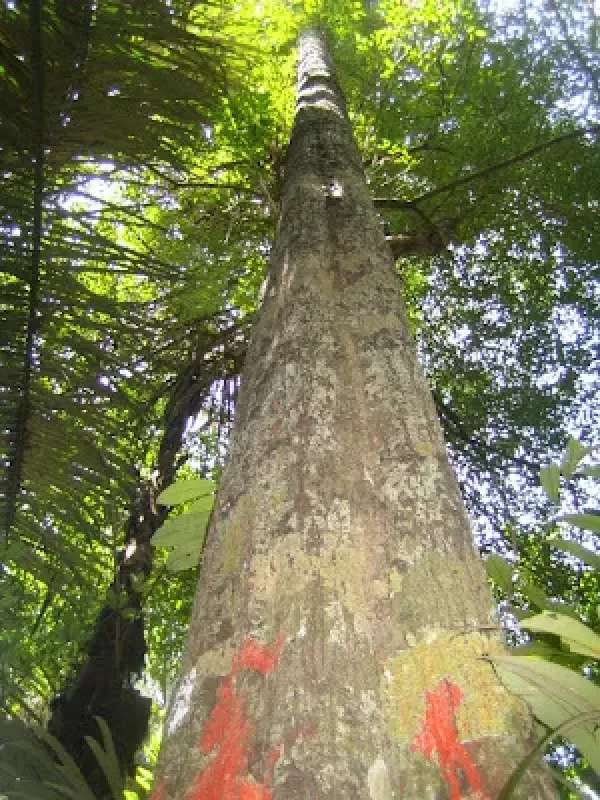
Botanically, Diospyros celebica is a slow-growing evergreen tree. It possesses leathery, deep green leaves and a robust growth habit. Its slow development is directly correlated with the extreme density and fine texture of the wood produced over several decades.
The primary economic use is in the luxury timber industry. The wood is renowned for its unique streaks of dark brown and black, making it highly sought after for high-end furniture, musical instrument components, and fine ornamental woodcraft.
Main diseases and pests
The primary biological threats include wood-boring insects, which pose a significant risk to the tree's health and the commercial value of the timber. These pests create galleries in the trunk, leading to structural weakness and irreparable damage to the precious heartwood.
Fungal pathogens represent another significant danger, particularly in nursery stages or plantations with poor air circulation. Excess moisture coupled with shade can lead to crown rot and bark diseases, which are difficult to manage once established.
Management strategies focus on maintaining high hygiene standards within the plantations. This includes regular thinning to ensure airflow, proper monitoring of early signs of infestation, and the judicious use of treatments to prevent the spread of localized outbreaks.
Leaf-feeding insects and mites may cause stress to juvenile trees by reducing photosynthetic capacity. While not directly damaging the core timber, they contribute to the overall poor health and vulnerability of the plant to secondary infections.
Sustainability is the major challenge for this species. Given its slow growth rate, the protection of existing populations and the implementation of controlled silviculture are essential to prevent the overexploitation of this rare biological resource.