
Box-leaf persimmon
Diospyros buxifolia
Description
Growing requirements
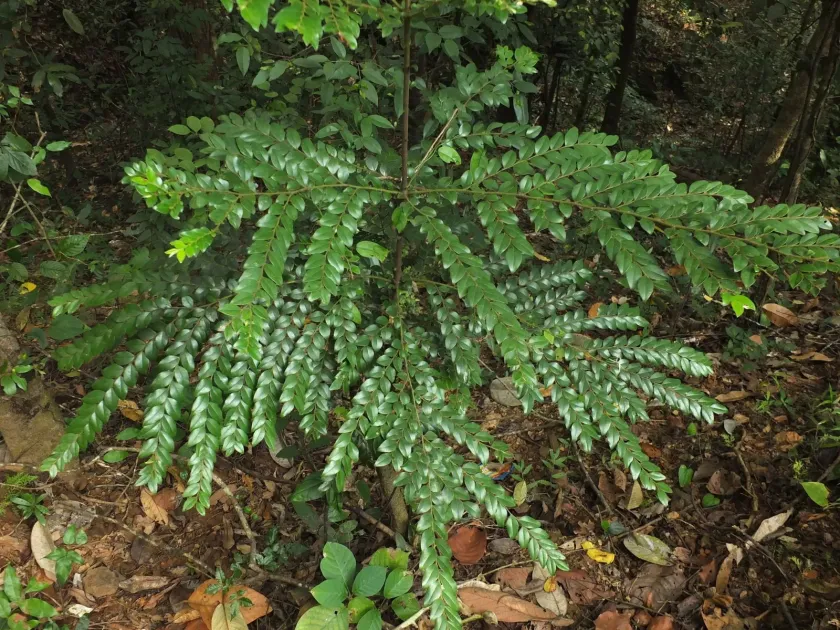
The box-leaf persimmon (Diospyros buxifolia) is a distinct species belonging to the Ebenaceae family. Native to the tropical rainforests of Southeast Asia, this species is highly regarded for its dense, evergreen foliage that bears a striking resemblance to common boxwood.
This plant thrives in tropical environments where temperatures remain stable year-round. It is not frost-tolerant and requires protected environments such as greenhouses or conservatories when grown in non-tropical climates.
Optimal growth is achieved in well-draining, nutrient-rich soil with a slightly acidic to neutral pH. Proper soil composition is essential to prevent moisture accumulation, which can cause significant damage to the root system.
Agricultural management requires consistent moisture levels, though the plant must never be left in waterlogged conditions. Regular fertilization with balanced nutrients during the growing season supports the development of lush foliage.
In terms of use, it serves primarily as an ornamental specimen. Its ability to tolerate frequent pruning makes it an ideal candidate for container-based topiary art and specialized landscaping displays.
Main diseases and pests
Spider mites are the most common pest observed in indoor cultivation, thriving in low-humidity conditions. Frequent misting and proper plant spacing are effective cultural methods to prevent infestations.
Scale insects can attach themselves to stems and leaves, extracting plant sap and weakening the specimen. Immediate removal and use of appropriate horticultural oils are recommended once symptoms appear.
Root rot, often caused by overwatering or poor drainage, represents a primary threat to the health of the plant. Ensuring the potting medium remains aerobic is the most critical preventative measure.
Powdery mildew may occur if air circulation is inadequate or if the environment becomes too stagnant. Improving airflow around the plant is vital to maintaining healthy leaf tissue.
Monitoring for signs of nutrient deficiency or stress is part of the standard management routine for this sensitive tropical species.