
Diervilla splendens
Diervilla x splendens (Carrière) G. Kirchn.
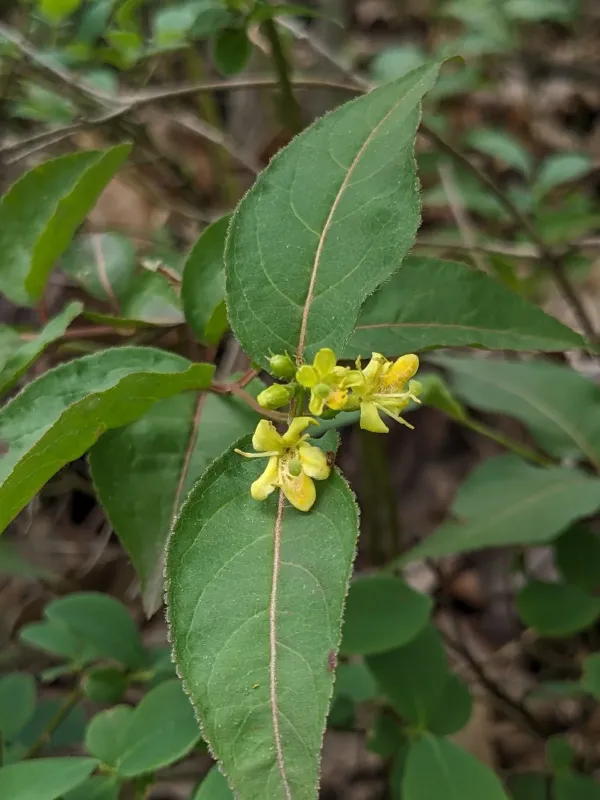
Description
Growing requirements
Diervilla splendens, commonly known as a type of bush honeysuckle, is a deciduous shrub within the Caprifoliaceae family. It is widely recognized for its robust growth habit and ornamental foliage, making it a staple in many landscape designs.
Originating from North America, this species has adapted to various habitats, ranging from wooded edges to open meadows. Its natural resilience allows it to thrive in diverse environments, demonstrating excellent hardiness in temperate regions.
The cultural requirements for this plant include a location with full sun to partial shade. While it is adaptable to many soil types, it performs best in well-drained, nutrient-rich soils that maintain consistent moisture during the growing season.
Agrotechnical practices focus on pruning to maintain the shrub's shape and density. Regular maintenance involves removing old wood in late winter or early spring, which encourages fresh, vigorous growth and maintains the plant's aesthetic appeal.
In landscaping, this shrub is highly valued for its erosion control properties. Its extensive root system helps stabilize slopes, while its rapid spread makes it an ideal candidate for large-scale plantings and screening applications.
Main diseases and pests
Diervilla splendens is remarkably resistant to most common plant diseases. However, in poorly ventilated environments with high humidity, there is a minor risk of fungal issues such as powdery mildew affecting the leaves.
Potential pests include aphids, which may cluster on the tender new growth during the early summer months. Early detection through regular monitoring is key to managing these infestations before they spread across the shrub.
Proper sanitation is essential for maintaining plant health. This includes removing dead or decaying foliage from the base of the plant during the autumn season to reduce overwintering sites for pathogens and pests.
- Monitor for aphid colonies in spring.
- Ensure adequate spacing for air circulation.
- Perform seasonal sanitation pruning.
- Avoid over-fertilizing to keep growth controlled.
By following these simple protective measures, the shrub remains healthy and vigorous. Its natural hardiness generally limits the need for chemical intervention, favoring a more sustainable approach to garden management.