
Dicranopteris pedata
Dicranopteris pedata
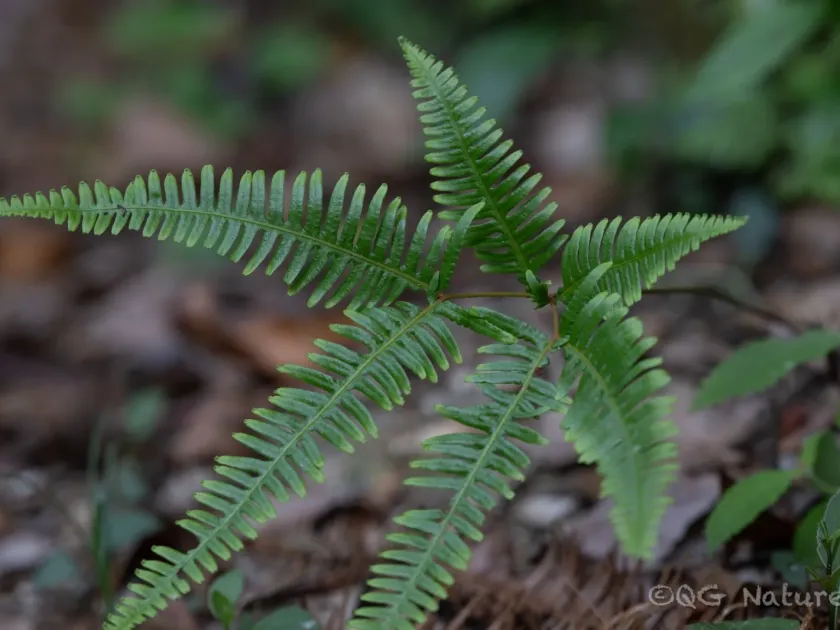
Description
Growing requirements
Dicranopteris pedata is a perennial fern species belonging to the Gleicheniaceae family. It is recognized for its unique branching pattern, where fronds grow indefinitely, creating expansive, thick mats over large areas.
Native to tropical and subtropical regions of Asia, this plant thrives in acidic, well-drained soils. It is frequently observed in open environments and disturbed land, where it successfully competes for light while requiring consistent moisture.
Agronomically, the plant demands a warm and humid climate to maintain rapid vegetative growth. Ideal conditions involve temperatures ranging between 20°C and 28°C and protection from arid winds, which can rapidly dehydrate the fronds.
The botanical structure of this fern, particularly its root system, makes it highly effective for soil conservation. It serves as a biological engineering tool for slope stabilization, preventing topsoil erosion in mountainous agricultural regions.
In terms of agricultural utility, it can be utilized for soil mulching or biomass production. Its resilient nature allows it to colonize challenging substrates, providing ecological benefits such as moisture retention and organic matter accumulation.
Main diseases and pests
The primary threats to Dicranopteris pedata involve fungal pathogens that flourish in dense, poorly ventilated colonies. Excess humidity without sufficient air circulation can lead to rapid decay of the foliage.
Insect pests, such as scales and mealybugs, may occasionally infest the plants, especially in nursery or greenhouse conditions. Integrated pest management, focusing on early detection and physical removal, is the most effective way to protect the crop.