
Dicranopteris linearis
Dicranopteris linearis
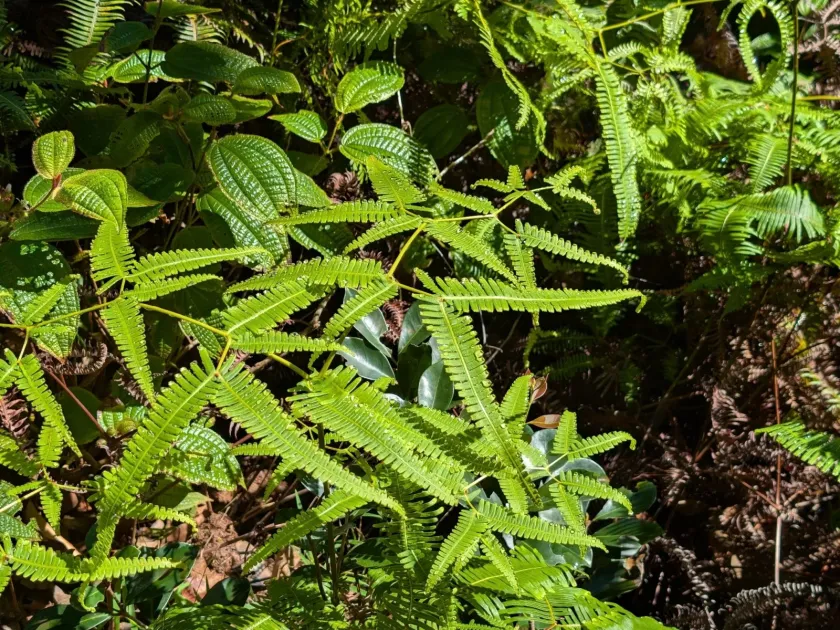
Description
Growing requirements
Dicranopteris linearis, belonging to the Gleicheniaceae family, is a widespread tropical fern species known for its creeping rhizomes and dense thicket-forming habit. It thrives in high-humidity tropical environments.
The species prefers habitats with abundant moisture and consistent, warm temperatures. It is commonly found in open, sunny, or partially shaded areas, such as hill slopes, forest margins, and disturbed landscapes.
Regarding soil requirements, this fern is highly adaptable. It often thrives in poor, acidic, or nutrient-deficient soils, making it an excellent candidate for stabilizing degraded lands and preventing soil erosion.
Proper cultivation requires a well-drained substrate to prevent waterlogging, which the root system is highly sensitive to. Providing high ambient humidity is crucial for maintaining healthy, lush fronds.
Vegetative propagation via rhizome division is the most effective method for establishing new colonies. Once settled, the plant spreads rapidly, often requiring management to keep it within designated areas.
Yield
The primary economic use of Dicranopteris linearis involves its robust stems, which are utilized for weaving baskets, mats, and various handicrafts in many Southeast Asian cultures due to their flexibility and strength.
Ethnobotanically, the fern is recognized for its medicinal applications. Extracts from its leaves and rhizomes are traditionally used in rural communities to treat skin infections, wounds, and various inflammatory conditions.
In environmental science, Dicranopteris linearis is valued for its phytoremediation potential. Its ability to absorb and accumulate heavy metals from contaminated soils makes it a viable biological tool for land restoration.
The biomass of the plant serves as a useful organic amendment. When processed as mulch or compost, it enhances soil fertility and improves water retention in tropical agricultural systems.
While often treated as an invasive weed due to its aggressive growth pattern, it serves as an important ecological pioneer species, helping to regenerate ecosystems on nutrient-poor or abandoned terrain.
Main diseases and pests
The most significant threat to Dicranopteris linearis is prolonged drought. While the plant is hardy, a lack of sufficient water causes rapid wilting and the subsequent death of the sensitive fronds.
In greenhouse or indoor cultivation, the plant is susceptible to common pests like spider mites and scale insects, particularly when air humidity levels are allowed to drop too low for extended periods.
Fungal pathogens and root rot are prevalent when the plant is grown in overly saturated soils with poor drainage. These infections can quickly spread through the rhizome network, damaging the entire colony.
Temperature stress, specifically extreme cold or frost, is fatal for this tropical species. Even minor cold snaps can lead to necrosis of the foliage and significantly stall growth for several weeks.
Although it is highly competitive, the fern can be suppressed by rapid-growing invasive grasses or woody plants that overshadow its preferred light levels, necessitating periodic clearing to maintain its vigor.