
Delosperma nubigenum
Delosperma nubigenum (Schltr.) L. Bolus
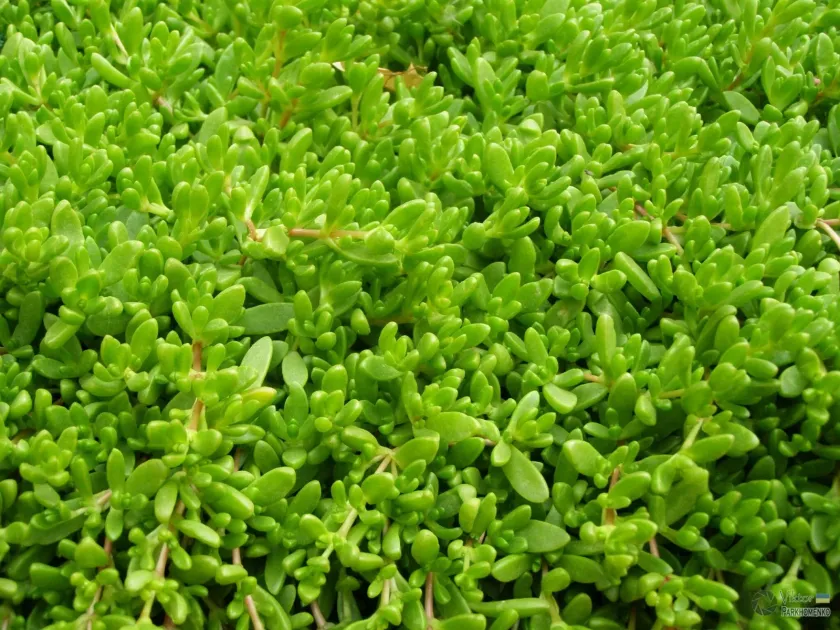
Description
Sowing dates
The seeds of Delosperma nubigenum should be sown in early spring, typically between March and April. The seeds require surface sowing as they need light to trigger the germination process successfully.
Seed trays must be kept in a warm environment with temperatures ranging from +20°C to +22°C. Maintaining light moisture is crucial, as waterlogged conditions quickly lead to the damping-off of young seedlings.
Once the seedlings have developed their first true leaves, they should be pricked out into individual small pots. Transplanting into the permanent garden location is best performed after the last spring frost date.
Vegetative propagation via cuttings is a popular and efficient method for this species. Cuttings can be taken in the summer months and rooted in a sandy, well-draining substrate for rapid establishment.
Ensure that there is sufficient spacing between plants, ideally around 15–20 cm. Proper density is essential for healthy air circulation, which prevents the development of fungal infections in the creeping mats.
Growing requirements
Delosperma nubigenum is a succulent plant belonging to the Aizoaceae family. It originates from high-altitude mountainous areas in South Africa, which accounts for its significant hardiness and resilience.
This species requires full, direct sunlight throughout the day to thrive. Partial shade often results in etiolated growth and a significant reduction in the quantity and quality of its yellow blossoms.
The soil requirements are strict: the medium must be highly porous and low in organic matter. A mixture of gravel, sand, and a small amount of garden soil is ideal for mimicking its natural habitat.
Being highly drought-tolerant, this plant requires minimal irrigation. It is essential to allow the soil to dry out completely between waterings to prevent the succulent tissues from rotting.
It displays remarkable frost tolerance, although it appreciates protection from harsh winter winds and excessive moisture in cold, wet climates. A layer of horticultural grit can protect the crown from rot.
Main diseases and pests
Root rot caused by fungal pathogens is the primary threat to the health of Delosperma nubigenum. This condition is almost exclusively linked to poor drainage or overly frequent irrigation in heavy soils.
Mealybugs are the most common pests that affect these succulents. They hide in the leaf axils and feed on the plant's sap, which can lead to stunted growth and the eventual decline of the plant.
In greenhouses or very dry conditions, spider mites may become an issue. Regular monitoring and maintaining appropriate ventilation are the most effective ways to manage potential mite outbreaks.
Proactive care involves removing any dead foliage or stems promptly to keep the mat clean. This practice reduces the hiding spots for pests and improves overall airflow within the planting site.
Chemical treatments should be used sparingly and only as a last resort. It is far more effective to manage the environment—ensuring perfect drainage and adequate sunlight—to keep the plants robust.