
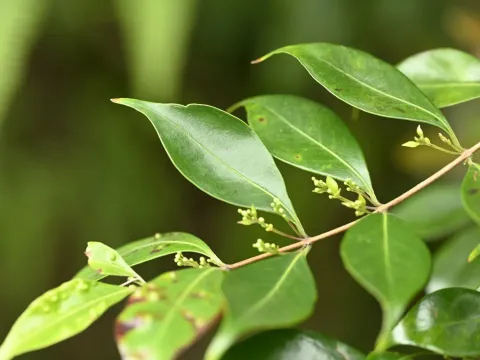
Decaspermum
Decaspermum
Propagation of Decaspermum for agricultural or ornamental purposes is primarily achieved through seed germination or semi-hardwood cuttings. Seeds should be sown in a light, well-draining substrate immediately after harvesting, as their viability decreases significantly if stored for extended periods.
What the section contains


Decaspermum
Sowing is conducted in specialized greenhouses or nurseries, ensuring a stable temperature range between 22 and 25 degrees Celsius. It is essential to maintain consistent soil moisture, while avoiding waterlogging, which can lead to seed rot and poor germination rates.
Cuttings are considered a more reliable method for preserving desirable cultivar characteristics in managed settings. Cuttings are treated with rooting hormones and planted in a mixture of perlite and peat, often under plastic cover to maintain the high humidity required for successful root development.
Young seedlings require a gradual acclimatization process before being moved to open ground. Transplanting to a permanent location is ideally performed in spring, once the risk of frost has passed, which is crucial for the survival of younger, more vulnerable plants.
Planting density depends on the intended end-use of the crop. For commercial plantations focused on biomass production, a grid pattern of 3 by 3 meters is common, whereas ornamental plantings utilize wider spacing to allow for the full, aesthetic development of the canopy.
Decaspermum is a member of the Myrtaceae family, native to tropical and subtropical regions of Asia, Australia, and the Pacific Islands. The plant thrives in well-lit areas but can tolerate partial shade during its initial growth phases.
The crop has specific soil requirements, preferring loamy or sandy soils with a neutral to slightly acidic pH. Effective aeration and superior drainage are vital conditions, as the root system is highly sensitive to hypoxia if the soil remains saturated for too long.
Climatic preferences include high average annual temperatures and minimal seasonal fluctuations. Decaspermum does not tolerate freezing temperatures, meaning its large-scale cultivation is strictly confined to mild, tropical, or frost-free subtropical climate zones.
Regular irrigation is necessary, particularly during the active vegetative growth phase. In dry seasons, supplementary sprinkler or drip irrigation is recommended to compensate for high rates of transpiration occurring across the plant's large leaf surface area.
The plant responds well to the application of organic fertilizers in early spring. Balanced mineral fertilizers with a focus on nitrogen are often used to encourage the vigorous foliage production required for pharmaceutical or industrial processing.
The economic utility of Decaspermum is multifaceted: the fruits of certain species are edible, though they possess a characteristic astringent flavor, while the leaves and bark have been utilized for centuries in traditional medicine and modern pharmaceutical applications.
Decaspermum leaves are valued for their essential oils and tannins, making the crop a candidate for producing natural antiseptics. Crop yields of green biomass are directly correlated with the quality of farm management, the age of the plantation, and the intensity of horticultural practices applied.
The fruits are small berries that turn dark red or nearly black upon reaching maturity. Harvesting is typically done by hand at the peak of biological ripeness, ensuring that the concentration of bioactive compounds in the pulp is maximized for downstream processing.
Yields of commercial products, such as essential oils extracted from the foliage, vary based on the specific climatic conditions of the cultivation region. In optimal tropical environments, well-managed plantations can provide a consistent harvest of raw material for several decades.
Initial processing of the harvested biomass involves drying in well-ventilated areas or specialized industrial dryers at controlled temperatures. This practice is essential for preserving the plant's heat-sensitive chemical constituents before they are shipped for pharmaceutical use.
Like many other members of the Myrtaceae family, Decaspermum is susceptible to various pests, especially when grown in dense plantation setups or protected greenhouse environments. The most common threats include aphids, scale insects, and spider mites.
Fungal diseases, such as powdery mildew or various root rots, can occur if humidity levels are not strictly managed or if ventilation is insufficient. Systemic fungicides based on copper or sulfur compounds are often employed to control these outbreaks.
Scale insect infestations are identified by the appearance of dark, bump-like structures on the underside of leaves and along young shoots. Early detection and treatment with appropriate insecticides or biological control agents are necessary to prevent significant yield losses.
Prophylaxis against disease involves regular sanitary pruning, the removal of infected branches, and maintaining adequate spacing between individual trees to promote air circulation and decrease pathogen pressure within the canopy.
Plantation monitoring should occur on a weekly basis to ensure early identification of stressors. Integrated Pest Management (IPM) strategies are preferred, minimizing the use of synthetic chemicals to ensure the final product meets environmental and quality standards.
The harvest of foliage is typically performed selectively, beginning when the plants reach their third year of life. To ensure the long-term health of the plantation, it is critical not to remove more than 30 percent of the annual canopy growth in a single harvest cycle.
The harvest season for the fruit typically coincides with the end of the rainy season, when the berries reach their peak coloration. Harvested fruits must be processed immediately, as their high moisture content makes them highly perishable and prone to rapid degradation.
For leaf harvesting, sharp pruning shears should be used to make clean cuts just above a leaf node; this practice stimulates branching and increases the density of the foliage for future harvest cycles.
The raw material must be sorted to remove damaged leaves, debris, and impurities before it reaches the processing line. This step ensures high product quality and significantly reduces the labor required during the secondary stage of industrial production.
Proper post-harvest storage is a critical logistical component. Utilizing breathable kraft bags or well-ventilated crates prevents the self-heating of raw plant material, a common cause of spoilage in poorly managed agricultural supply chains.