
Damasonium polyspermum
Damasonium polyspermum
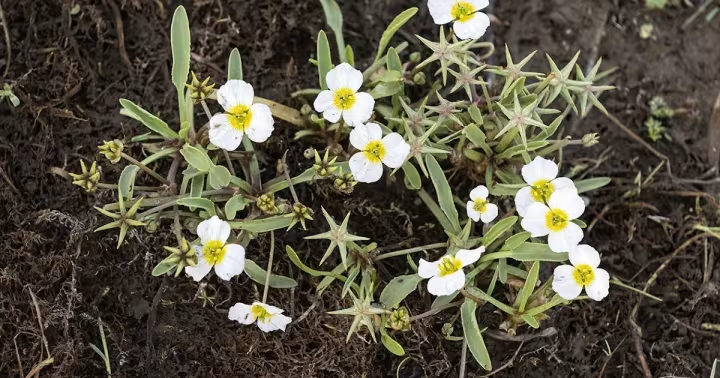
Description
Growing requirements
Damasonium polyspermum is a unique aquatic plant belonging to the Alismataceae family. As a specialized crop, it is primarily found in wetland ecosystems, shallow marshes, and rice fields, where it thrives in saturated soils and standing water environments.
Botanically, it is an annual herbaceous species that exhibits rapid growth during warmer months. Its structural adaptation allows it to flourish in anaerobic sediments, extracting nutrients directly from water and enriched mud substrates common in its natural habitats.
Agricultural success depends on maintaining stable water levels. The crop requires significant solar exposure for photosynthesis, as partial shade drastically reduces its biomass production and flower development rate throughout the growing season.
Optimal growth conditions involve well-lit, shallow waters with a near-neutral pH balance. The soil composition should ideally contain high levels of organic matter, ensuring that the roots receive necessary mineral support despite the watery surroundings.
The plant's geographical origin is primarily Mediterranean. In terms of usage, it serves as an excellent candidate for phytoremediation projects and sustainable wetland management where biological balance is the main priority.
Main diseases and pests
The primary threat to Damasonium polyspermum populations is competition from aggressive, invasive aquatic weeds that rapidly cover the surface, depriving the crop of essential light.
Pathogenic fungi can become a significant issue, particularly if the water circulation is poor, leading to root rot and severe decay of the vegetative parts.
Insect pests, such as aquatic beetles and larvae, often target the tender tissues of the leaves, resulting in significant foliage damage and potential loss of the individual plant.
Herbicides applied in nearby conventional agricultural fields can reach the water source, acting as a potent toxin that inhibits the growth of this sensitive aquatic crop.
Fluctuations in water quality, specifically spikes in heavy metal or mineral concentrations, can disrupt the plant's delicate biological processes, leading to yellowing and premature death.