
Damasonium minus
Damasonium minus
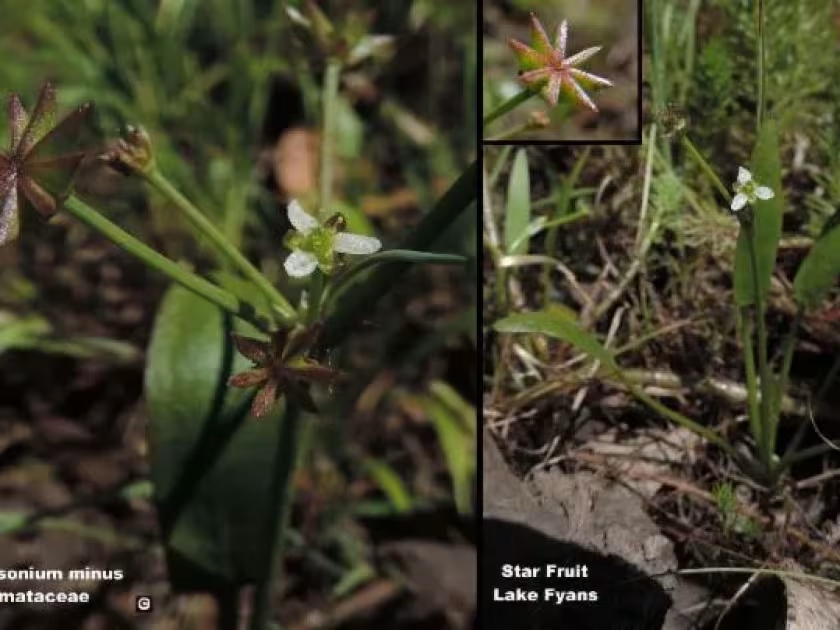
Description
Sowing dates
Sowing of Damasonium minus typically takes place during the spring season when water temperatures stabilize, providing the necessary warmth for germination.
Seeds often require a stratification process to break dormancy, which is best achieved by keeping them in cool, moist conditions prior to the final sowing date.
The planting substrate should consist of a mixture of rich silt, organic compost, and fine sand to support the root system during the initial growth phases.
Proper water depth is critical; the seeds must be placed just below the surface layer of the substrate to ensure they have sufficient access to light.
Constant monitoring of water levels is necessary after sowing to prevent the seedlings from drying out or being washed away by unexpected water turbulence.
Growing requirements
Damasonium minus, a member of the Alismataceae family, thrives in shallow freshwater habitats such as ponds, ditches, and slowly moving streams.
The plant requires high levels of solar irradiance to maintain its health, as excessive shading usually results in poor growth and lack of flowering.
Soil conditions should be nutrient-dense but well-aerated; heavy clay soils may require the addition of organic matter to facilitate healthy root penetration.
Optimal development is achieved in environments where the water pH remains slightly acidic to neutral, avoiding drastic fluctuations in water quality.
The cultural site should be protected from harsh winds and fast water currents, as the plant is adapted to the calm conditions of shallow littoral zones.
Main diseases and pests
Fungal infections remain the primary threat, often triggered by poor water circulation and stagnant conditions that favor the proliferation of harmful pathogens.
Herbivory by aquatic snails and certain insect larvae can significantly damage the leaves, often leading to reduced photosynthetic capacity of the plant.
Invasive algae species represent a major challenge, as they rapidly compete with Damasonium minus for available minerals and sunlight within the ecosystem.
Eutrophication of the water body, often caused by nutrient runoff, can lead to uncontrolled weed growth and the subsequent decline of the primary culture.
Bacterial diseases affecting the rhizomes can cause plant collapse, particularly in crowded conditions where plant-to-plant ventilation is insufficient.