
Damasonium bourgaei
Damasonium bourgaei
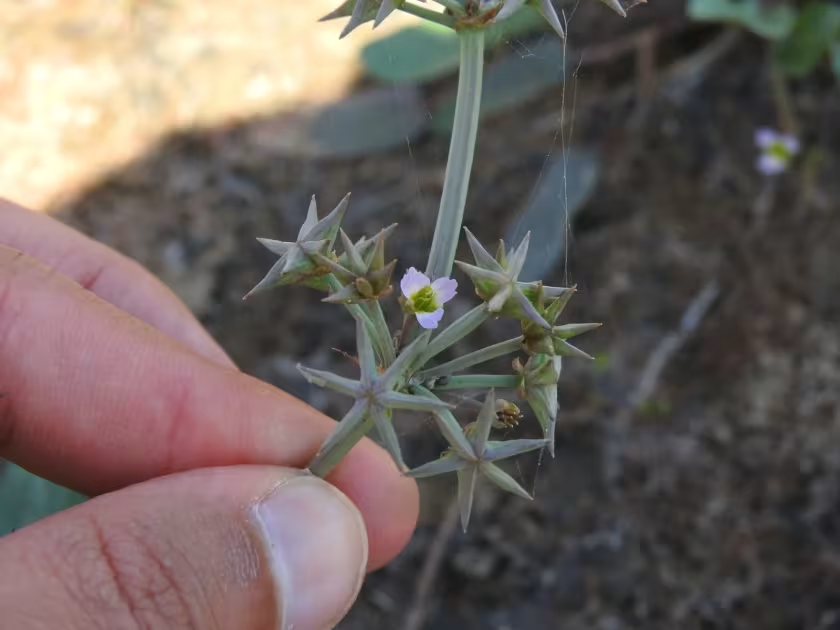
Description
Growing requirements
Damasonium bourgaei is an annual aquatic plant belonging to the Alismataceae family. It is typically found in Mediterranean climates, flourishing in temporary pools and wetlands that experience seasonal fluctuations in water depth.
Botanically, the plant is characterized by a rosette-like arrangement of leaves and a complex inflorescence that produces seeds capable of remaining dormant in the sediment for extended periods, waiting for favorable hydrological conditions.
For successful cultivation, the crop requires water-saturated substrates, preferably heavy clays that retain moisture well. A consistent water level is essential during the early vegetative stage to ensure optimal growth and development.
Environmental requirements include high solar exposure and temperatures ranging from 15 to 25 degrees Celsius. The crop is highly sensitive to total desiccation, which can trigger a premature end to its vegetative cycle.
Agrotechnical management involves monitoring the sediment quality, as the plant benefits from high organic content but can be negatively impacted by excessive nutrient runoff, which causes competing algal blooms.
Main diseases and pests
The primary threats to Damasonium bourgaei include invasive aquatic weeds that outcompete the plant for light and nutrient resources in its native and cultivated habitats.
Pests such as aquatic gastropods often cause mechanical damage to leaves and stems, leading to potential secondary infections by opportunistic fungi or bacteria.
Fluctuations in water quality, specifically spikes in salinity or industrial runoff, can be fatal to the crop due to its specialized nature as a freshwater species.
Fungal pathogens targeting the root system remain a significant risk, particularly in stagnant water environments where oxygen levels may drop below critical thresholds.
Management of these threats involves strictly regulating the water chemistry and employing physical barriers to prevent the encroachment of aggressive floral competitors.