
Damasonium californicum
Damasonium californicum
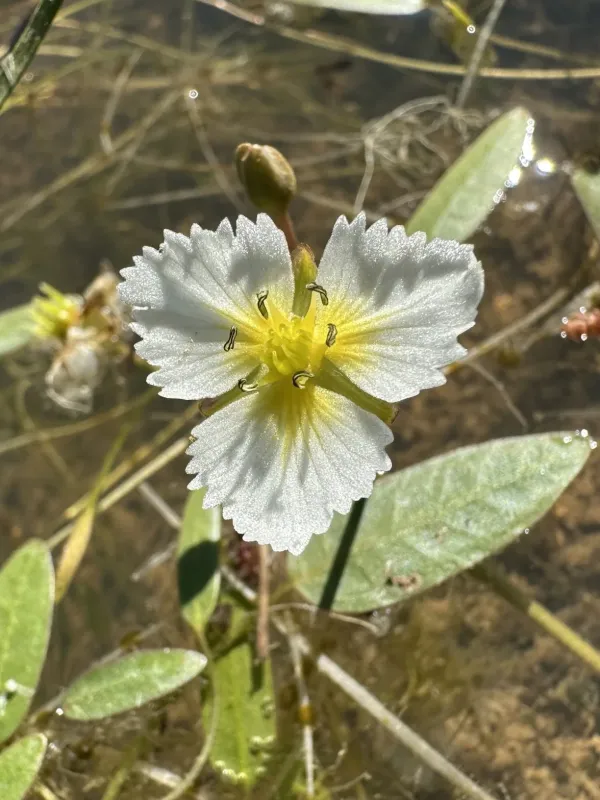
Description
Growing requirements
Damasonium californicum, often known as California starfruit, belongs to the Alismataceae family and is a specialized aquatic plant species. It primarily thrives in ephemeral wetlands, shallow pools, and vernal vernal pools in North America, showing remarkable resilience to seasonal water fluctuations.
Botanically, the plant features a basal rosette of leaves which can vary in shape and size depending on their submersion level. The root system is specifically adapted to fine-textured substrates, typically thriving in silty or clayey sediments found at the bottom of temporary water bodies.
Environmental requirements include abundant sunlight and a specific hydroperiod. The plant requires shallow water during its initial growth phase and gradually drying soil conditions as it reaches its reproductive stage in late spring or summer.
Soil nutrient levels play a critical role in development. Organic matter accumulation in the native habitat provides the necessary minerals for sustained growth, making it essential to replicate these conditions in a controlled agricultural or conservatory environment.
Temperature management should be moderate, avoiding extreme heat or freezing conditions. The plant is best suited for climates where the transition from wet to dry seasons is gradual, supporting its natural life cycle and maturation process.
Main diseases and pests
The primary threats to Damasonium californicum are habitat degradation and the alteration of natural water regimes. Drainage of wetland sites or prolonged drought prevents the plant from completing its life cycle, leading to localized population declines.
Invasive weed species pose a significant threat by competing for space and light. Aggressive aquatic vegetation can easily outcompete this species, especially in environments enriched by agricultural runoff which promotes excessive algae growth.
Pathogenic fungi and root rot are prevalent in stagnant water conditions where oxygen levels are low. Maintaining a degree of water movement or periodic drying is vital to prevent the establishment of harmful microflora in the root zone.
Herbivory by waterfowl and certain aquatic invertebrates can impact the plant's health and seed production. Protecting young stands from overgrazing is sometimes necessary in restoration projects or controlled cultivation areas.
Pollution from fertilizers or pesticides severely disrupts the growth of this sensitive species. Maintaining clean water standards and protecting the watershed from external chemical contamination is essential for the preservation and cultivation of this plant.