
Dahlia spectabilis
Dahlia spectabilis
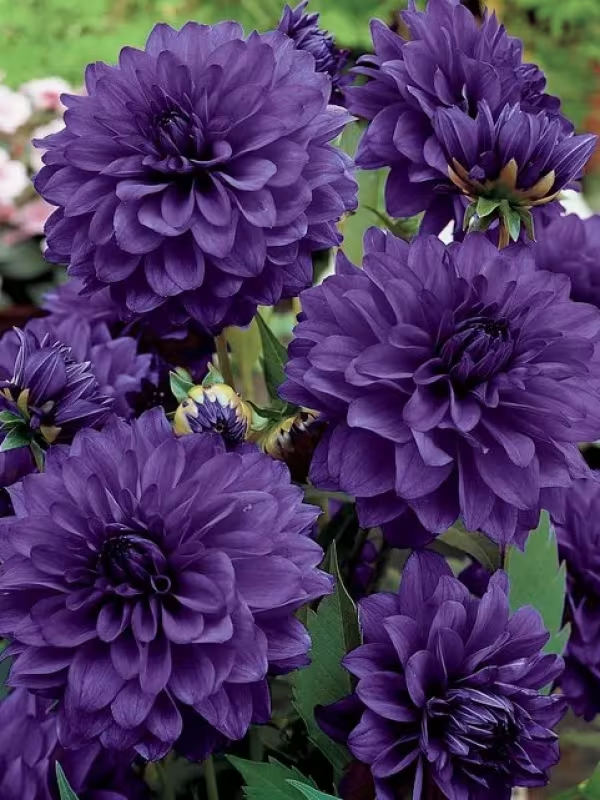
Description
Sowing dates
Planting Dahlia spectabilis in the open ground is performed only after the threat of spring frost has completely passed. The optimal time for planting tubers is late May or early June, once the soil has warmed to at least 12-15 degrees Celsius.
To ensure earlier flowering, many gardeners use a pre-sprouting technique. About three to four weeks before the intended planting date, the tubers are placed in containers with a light substrate, kept in a warm and bright location to initiate shoot growth.
Planting dates can shift depending on the local climate zone. It is crucial to avoid planting in cold, wet soil, as this significantly increases the risk of the tubers rotting before they can establish a healthy root system.
If growing from seeds, sowing is carried out in March or early April in seed trays filled with high-quality potting mix. Once the seedlings develop their first true leaves, they should be pricked out into individual pots.
Selecting the right planting time is essential for the plant's overall vigor, determining the strength of the flower stems and the total duration of the flowering period throughout the season.
Growing requirements
Dahlia spectabilis belongs to the Asteraceae family and is native to the high-altitude regions of Mexico. It requires a sunny, open location that is protected from strong, gusty winds which could break the delicate stalks.
The ideal soil is fertile, well-draining, and slightly acidic to neutral in pH. For heavier clay soils, incorporating coarse sand and compost is highly recommended to improve aeration and water permeability.
This crop requires consistent moisture, especially during the peak of the growing and blooming season. However, waterlogging must be avoided at all costs, as stagnant water is a primary cause of tuber decay and root rot.
Regular maintenance includes light hoeing around the base of the plant to keep the soil surface aerated and free of weeds. Applying balanced fertilizers rich in phosphorus and potassium promotes vibrant and abundant blooms.
Using organic mulch around the plants helps conserve soil moisture, prevents excessive heating of the root zone during hot spells, and suppresses the growth of competitive weed species.
Main diseases and pests
Common pests affecting the crop include aphids, spider mites, and thrips, which damage young leaves and buds by feeding on plant sap. Slugs and snails can also cause significant damage to young foliage during wet weather.
The most frequent diseases are gray mold (Botrytis), fusarium wilt, and powdery mildew. These fungal pathogens thrive in conditions of high air humidity and poor ventilation among the plantings.
Stored tubers are often susceptible to rot if they were not properly dried or if the storage environment is too humid. Strict hygiene during harvesting and winter storage is essential to prevent these losses.
Viral infections, such as dahlia mosaic virus, can cause stunted growth, foliage distortion, and reduced flowering. There is no cure for these viruses, so infected plants must be removed and destroyed immediately.
An integrated pest management approach, including regular scouting and the use of appropriate fungicides and insecticides, is the most effective way to ensure healthy development throughout the growing season.
Harvesting
The harvest of Dahlia spectabilis tubers takes place in autumn, immediately after the first light frosts have turned the foliage dark and limp. Tubers must not be left in frozen soil, as they are not hardy.
Stems should be cut back to roughly 15 centimeters above the crown before digging. Using garden forks is preferable to spades to minimize the risk of accidentally slicing or damaging the fragile storage tubers.
After removal, tubers should be cleaned of excess soil, washed gently, and left to dry in a cool, well-ventilated area for several days. This allows any minor cuts or scrapes to heal properly before winter.
For long-term storage, the tubers are best kept in a basement or cellar at 3-5 degrees Celsius. They should be packed in crates filled with dry sand, peat moss, or vermiculite to prevent dehydration.
It is important to check stored tubers periodically throughout the winter. Removing any individuals that show signs of decay prevents the spread of rot, ensuring healthy stock remains for the next planting season.