
Tree dahlia
Dahlia imperialis
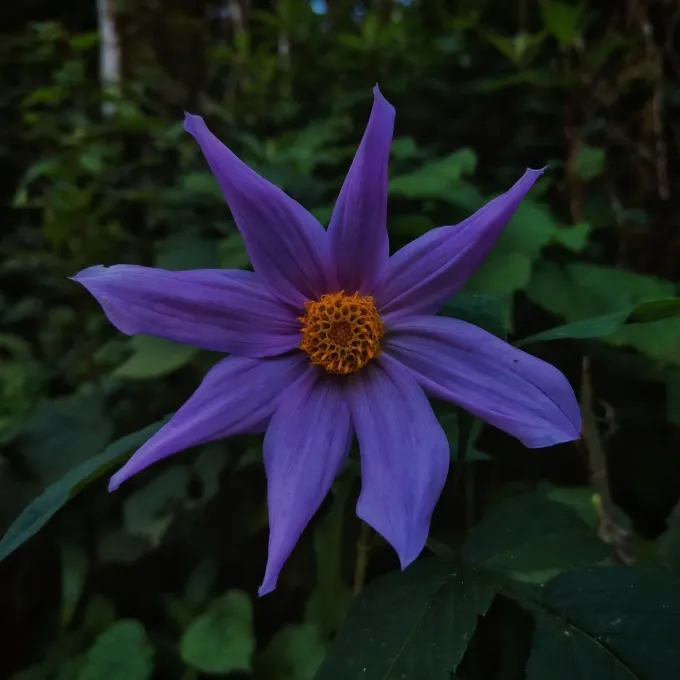
Description
Sowing dates
Tree dahlia is typically propagated vegetatively by dividing tubers in the spring season. Planting in open ground should occur only after the danger of frost has passed, as the young shoots are highly sensitive to low temperatures.
If seeds are used for propagation, they should be sown indoors in late winter or early March. Seeds require stratification and a stable temperature of around 20–22 degrees Celsius to ensure consistent germination.
When dividing the rhizomes, it is essential to ensure that each section retains at least one viable growth bud. This practice ensures vigorous plant development once the plant is established in its growing site.
Tubers should be planted at a depth of 10–15 centimeters to protect them from heat and to provide a sturdy base for the massive stalk. A spacing of at least one meter is recommended to accommodate the plant's final size.
Planting holes should be prepared with well-rotted organic matter and a layer of coarse drainage material to prevent waterlogging, which is a common cause of tuber failure.
Growing requirements
Tree dahlia is a remarkable member of the Asteraceae family, reaching heights of up to 5–6 meters. It is native to the high-altitude regions of Mexico and Central America, thriving in specific climatic conditions.
This crop prefers sunny locations shielded from strong winds, as the hollow stems are prone to snapping under heavy gusts or rain. Staking is a mandatory requirement for maintaining structural integrity throughout the season.
The soil must be fertile, well-draining, and have a neutral to slightly acidic pH. Heavy clay soils should be heavily amended with grit, sand, or compost to improve oxygen penetration and water management.
As a short-day plant, the formation of flower buds is triggered only as the daylight hours shorten. In northern latitudes, this can often lead to a lack of bloom before autumn frosts arrive, limiting its ornamental use.
Consistent irrigation is vital during the peak growing phase. However, as the season nears its end, moisture levels should be reduced to encourage the plant to harden its tubers for the winter dormancy period.
Main diseases and pests
Common pests include aphids and spider mites, which tend to flourish during hot, dry spells. Regular inspection of the foliage and timely application of insecticidal soaps can effectively control these populations.
Slugs and snails can cause substantial damage to tender spring shoots. Physical barriers, such as copper tape or gravel collars, are often effective measures to keep these pests away from the base of the plant.
Gray mold, or Botrytis, is a frequent disease threat, especially in humid conditions or where airflow is insufficient. Proper spacing of plants is the best preventative measure to ensure adequate air circulation.
Viral infections, such as dahlia mosaic virus, can cause stunted growth and deformed leaves. Infected plants cannot be treated and should be immediately removed from the garden to prevent the spread of the virus.
Root rot is typically associated with poor drainage or excessive late-season watering. Treating tubers with a fungicide prior to winter storage can significantly reduce the risk of mold during the dormancy period.
Harvesting
Harvesting the tubers of the tree dahlia begins after the first frost, which causes the stems to wilt and darken. This transition marks the completion of the plant's vegetative cycle and the onset of dormancy.
Stems should be cut back to a height of 10–15 centimeters before carefully lifting the root system from the ground. Minimizing mechanical damage during excavation is crucial for the long-term viability of the tubers.
The tubers must be cleaned of excess soil and left to cure in a cool, well-ventilated space for several days. This curing process helps seal any wounds and prevents the development of rot during storage.
For storage, place the tubers in crates packed with peat moss, vermiculite, or dry sawdust. A storage temperature of +5 to +8 degrees Celsius is ideal to maintain vitality without triggering premature growth.
Regular monitoring during winter is essential to identify any deteriorating tubers. Prompt removal of damaged or rotting material ensures that the rest of the collection remains healthy until the following spring.