
Dactyladenia whytei
Dactyladenia whytei
Description
Growing requirements
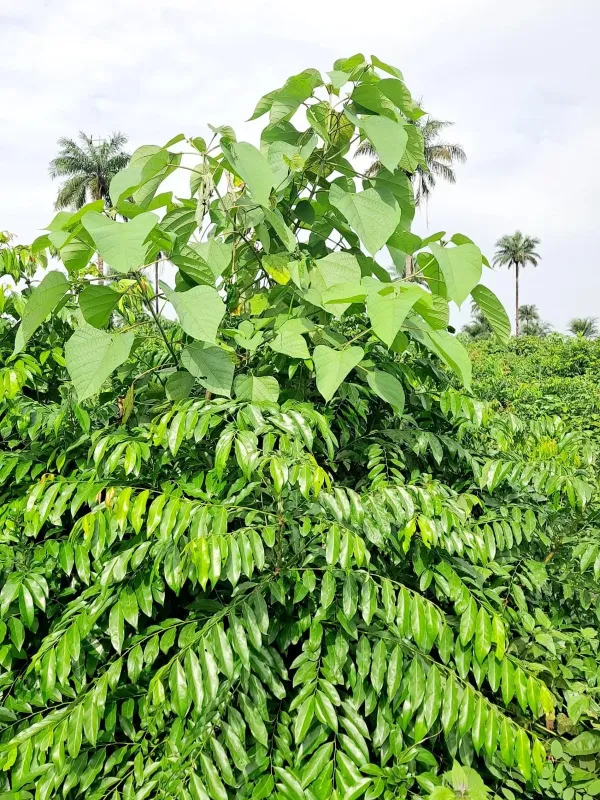
Dactyladenia whytei is a perennial woody species belonging to the Chrysobalanaceae family. Native to the tropical regions of West and Central Africa, this plant is primarily valued for its contribution to agroforestry and its ability to thrive in challenging tropical ecosystems.
The species requires a humid tropical climate to reach its full potential. It flourishes in areas with high annual precipitation and consistently warm temperatures. It is not suitable for cultivation in regions with significant temperature fluctuations or prolonged dry seasons.
Regarding soil requirements, Dactyladenia whytei is adapted to acidic, nutrient-poor tropical soils. It prefers deep, well-drained substrates. While it shows some tolerance to temporary soil moisture, it strictly avoids waterlogged environments which can lead to root damage.
Agronomic practices for this species focus on its use in alley cropping systems. By acting as a windbreak or a live barrier, the plant effectively controls erosion and improves the microclimate for associated food crops grown in the rows between the trees.
The cultural maintenance involves periodic pruning, which is essential to stimulate the production of biomass. This practice allows the management of the tree's size while ensuring a continuous supply of nutrient-rich mulch for the surrounding land.
Yield
The primary yield from Dactyladenia whytei is its high-quality biomass, which is used as organic green manure. The rapid regrowth of foliage after cutting allows for multiple harvests per year, providing a sustainable source of nutrients for crop fields.
Yield efficiency is directly linked to the density of the planting and the frequency of pruning. Well-managed stands provide a steady flow of biomass that helps maintain soil fertility and structure over many years in tropical environments.
Main diseases and pests
The plant faces threats from common tropical insect pests that target leaves and soft tissues. Regular monitoring is necessary to prevent significant defoliation, especially during the establishment phase of the plantation.
Fungal pathogens represent another significant risk, particularly in high-humidity areas where airflow is restricted. Proper spacing between trees is crucial to manage humidity levels within the canopy and reduce the likelihood of disease outbreaks.