
Dactyladenia barteri
Dactyladenia barteri
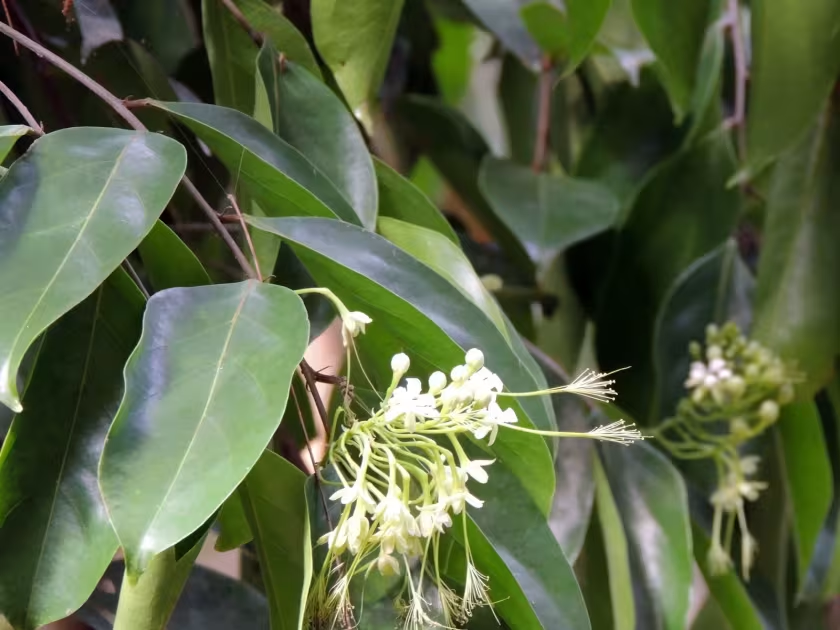
Description
Sowing dates
Propagation of Dactyladenia barteri is typically conducted via seeds or cuttings within nursery environments. Seeds possess a hard coat, requiring scarification or warm water soaking to break dormancy and ensure uniform germination.
In its native tropical range, the optimal sowing time coincides with the start of the rainy season, allowing seedlings to capitalize on high moisture levels for establishment. Containers filled with well-drained, porous media are preferred for initial growth.
Field transplantation involves preparing the site by clearing competing weeds to ensure that young shrubs have access to adequate light and soil nutrients. Proper spacing is crucial to manage the density of the future hedgerows.
The initial adaptation phase lasts approximately six months, during which consistent monitoring and occasional watering are required. Once the root system is established, the plant becomes remarkably resilient to environmental stress.
For intensive alley cropping systems, seedlings are planted in rows at intervals of 50 to 100 centimeters to create efficient biological barriers and biomass sources for mulching.
Growing requirements
Dactyladenia barteri is a woody shrub belonging to the Chrysobalanaceae family, originating from the humid tropical forests of West Africa. It has evolved to thrive in environments characterized by high humidity and consistent tropical temperatures.
The plant demonstrates excellent adaptability to acidic and nutrient-poor soils, making it a valuable species for restoring degraded tropical landscapes. Its ability to tolerate low-fertility soils is a key agronomic advantage.
Optimal conditions include equatorial climates with well-defined rainy seasons. While it prefers full sunlight, it shows a degree of shade tolerance, allowing it to be integrated into diverse agroforestry models under larger canopy trees.
Botanically, it is characterized by dense foliage and a deep, extensive root system. This architecture allows the plant to mine deep soil nutrients and anchor the earth, effectively reducing erosion on sloped agricultural land.
Cultural management focuses on regular pruning. By trimming the branches periodically, farmers stimulate the growth of nutrient-rich green shoots, which are then used as high-quality organic matter for surrounding food crops.
Yield
The primary agricultural output of Dactyladenia barteri is its abundant biomass. This green material serves as an excellent organic mulch that regulates soil temperature, retains moisture, and gradually releases nutrients as it decomposes.
Yields are highly dependent on the frequency of pruning. Regular harvesting of branches ensures a continuous supply of green manure, which can significantly reduce the necessity for synthetic nitrogen-based fertilizers in associated vegetable crops.
When used in alley cropping, the plant significantly boosts the yield of staple crops like yams, maize, and cassava by improving the overall soil structure and providing a persistent layer of protective mulch.
The wood harvested from the shrub is also highly valued by local populations as a source of energy. It is characterized by high density and high calorific value, making it an efficient fuel for cooking and local processing industries.
Integrating this shrub into farm systems creates a sustainable cycle of fertility, where the biomass produced by the Dactyladenia directly translates into increased food security for the farming household.
Main diseases and pests
Dactyladenia barteri is known for its robust health and high resistance to most pests that affect tropical agricultural crops. Its leathery, tough leaves are naturally unattractive to many insects, minimizing the need for chemical intervention.
The primary concern regarding plant health is the management of moisture at the root collar. Poorly drained soils can promote fungal infections, so maintaining proper land drainage is essential to prevent root rot during peak rainfall periods.
Competition from aggressive, fast-growing weeds during the first year of establishment is the main threat to the survival of young shrubs. Regular weeding during this early stage is necessary to ensure the plants reach maturity.
Mechanical damage from free-roaming livestock can occur in rural settings, so protecting young plantations with fences is recommended until the shrubs have developed sufficient structural strength to withstand browsing.
In summary, the plant is a low-maintenance, reliable crop for sustainable farming systems. Its lack of major pests and diseases makes it an ideal candidate for organic and regenerative agricultural practices in the tropics.