
Dactyladenia smeathmanni
Dactyladenia smeathmanni
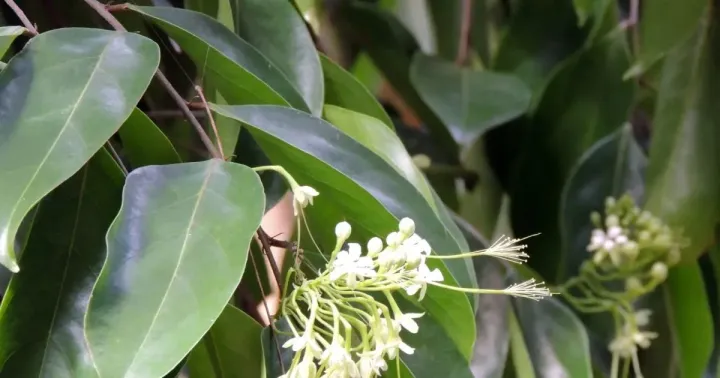
Description
Growing requirements
Dactyladenia smeathmanni is a woody perennial plant belonging to the Chrysobalanaceae family. Native to the tropical rainforests of West Africa, this species is widely recognized for its role in sustainable agroforestry and soil restoration practices.
The plant thrives in humid, tropical climates that offer consistent rainfall throughout the year. It performs best in deep, fertile soils that provide excellent drainage, ensuring that the roots remain healthy and free from prolonged waterlogging conditions.
As a nitrogen-fixing species, Dactyladenia smeathmanni is highly valued for its ability to enrich the soil naturally. Its dense foliage produces a significant amount of leaf litter, which acts as a nutrient-rich mulch, suppressing weeds and increasing organic matter content in the soil.
Cultivation practices involve carefully managing the spacing of plants to ensure optimal canopy development. As a light-demanding species, it requires sufficient exposure to sunlight, though young saplings may benefit from moderate shade during their initial establishment phase.
This crop is primarily utilized as a long-term improvement tool in subsistence and commercial agriculture. By integrating it into cropping systems, farmers can maintain soil productivity without constant reliance on expensive chemical inputs.
Main diseases and pests
The primary threats to Dactyladenia smeathmanni include root rot diseases caused by soil-borne pathogens. These issues are typically exacerbated by poor soil drainage and water accumulation, which weaken the plant's overall structural integrity.
Insect pests such as leaf-eating beetles and mites represent significant threats to the foliage. These pests can significantly reduce the photosynthetic capacity of the plant if infestations remain unmanaged, leading to stunted growth and reduced biomass yield.
Mechanical damage to the trunk or branches can facilitate the entry of opportunistic bacteria and fungi. Maintaining careful pruning practices is essential to minimize such wounds and prevent the spread of localized plant infections.
Environmental stress, particularly prolonged drought, can make the plants more susceptible to pest colonization. Ensuring a consistent moisture level is the best preventative strategy against most biotic stresses in the field.
For sustainable control, growers should monitor for signs of chlorosis or leaf spotting. Integrated pest management strategies, emphasizing biological control agents, are preferred over synthetic pesticides to maintain the ecological balance of the plantation.