
Dactyladenia scabrifolia
Dactyladenia scabrifolia
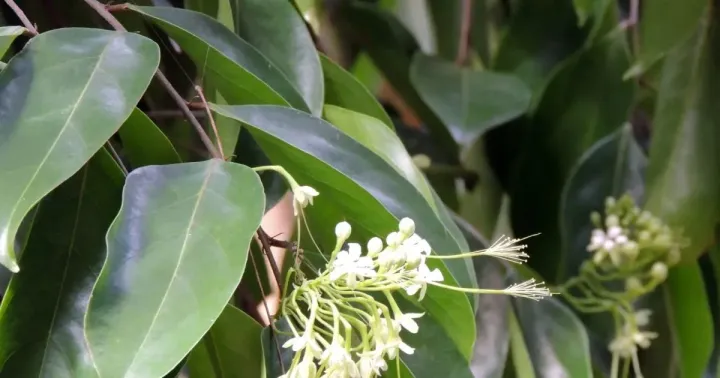
Description
Sowing dates
Dactyladenia scabrifolia is primarily propagated through seeds or cuttings in nursery conditions. Seeds should be sown immediately after collection into a prepared substrate, as they possess a very short viability period.
The optimal time for establishing plantations or live hedges is the beginning of the rainy season. This timing ensures sufficient moisture levels for successful rooting and the development of a robust root system during the initial critical months of plant life.
When using cuttings, it is best to select woody stems and plant them in shaded conditions to prevent desiccation. The soil must be well-drained to avoid the rotting of young seedlings during the initial establishment phase.
Planting density varies according to the intended use: for creating a continuous mulch layer, plants are placed closer together. For contour hedges on slopes, the spacing is increased, providing adequate room for canopy development.
The species exhibits slow initial growth, necessitating protection from aggressive weeds during the first two years after planting. Regularly removing competing vegetation around the base of each shrub is a critical requirement for successful establishment.
Growing requirements
Dactyladenia scabrifolia is an evergreen woody shrub belonging to the Chrysobalanaceae family, native to the humid tropical forests of West Africa. The plant is well-adapted to hot and humid climatic conditions with high annual rainfall levels.
The crop prefers acidic, deep, and well-drained soils. It exhibits high tolerance to nutrient-poor soils, making it an essential component in agroforestry systems aimed at restoring degraded land.
The plant thrives at altitudes of up to 1000 meters above sea level. While it can tolerate short periods of atmospheric drought, maximum biomass productivity is only achieved under conditions of stable moisture supply.
In terms of management, maintaining soil structure is essential. Dactyladenia does not tolerate waterlogging or marshy conditions, so selecting elevated sites or slopes is a priority for farmers.
The plant is also highly valued for its ability to effectively combat soil erosion. Thanks to its dense root system and thick canopy, the shrub significantly reduces the speed of surface runoff, thereby preserving the fertile topsoil layer.
Yield
The primary yield metric for this crop is the production of organic biomass used for agricultural purposes. The leaf litter of Dactyladenia is nutrient-rich and decomposes slowly, forming an excellent soil mulch.
At maturity, a single plant is capable of providing several kilograms of dry biomass annually. This output depends on the intensity of pruning, which stimulates the growth of new vegetative shoots and increases canopy density.
The effectiveness of the crop is measured by the amount of nitrogen and organic carbon accumulated in the soil beneath the plant's canopy. Farmers utilize the leaves to improve the fertility of fields designated for food crop production.
Wood yield, although secondary, is used by local populations as high-quality fuel. The dense wood of the shrub is characterized by high calorific value and long burn times when used for domestic cooking and heating purposes.
Under an integrated agroforestry approach, the yield of neighboring food crops can increase by 20–30% due to the microclimatic effects and improved soil nutrition provided by the Dactyladenia plantation.
Main diseases and pests
The plant possesses high natural resistance to diseases due to the presence of secondary metabolites in its leaf and stem tissues. Serious epiphytotic outbreaks for this species in its natural range are rarely recorded.
The primary threat to young seedlings comes from insect herbivores, particularly various caterpillar species that may damage young foliage. However, with proper agronomic management, damage rarely reaches critical levels.
In dense stands with poor ventilation, the development of fungal infections causing leaf spots is possible. Resolving this issue involves adhering to proper planting schemes and timely sanitary pruning of the canopy.
Root rot may occur exclusively in waterlogged areas with heavy clay soils. Preventing water stagnation and improving drainage are the only effective preventive methods for such issues.
- Regular inspection for pests and signs of damage.
- Sanitary pruning of dead or diseased branches.
- Maintaining optimal spacing between individual shrubs.
- Monitoring the health and color of leaf blades.
Harvesting
Biomass for mulching is harvested through regular pruning (hedging). The optimal frequency of harvest is 1–2 times per year, depending on growth rates and the farm's requirements for organic fertilizer.
During harvest, it is crucial to use sharp tools to minimize bark damage and prevent the entry of pathogens into the plant tissues. The cut branches are evenly spread over the soil surface throughout the field.
Branches intended for use as fuel are harvested during the dry season. This allows them to lose moisture more quickly, which increases the energy efficiency of the material when used in stoves or for charcoal production.
To ensure the longevity of the plantation, it is recommended to leave a portion of the skeleton branches intact. Complete removal of the shrub is only permitted when clearing the area or rejuvenating an old plantation via coppicing.
Collected plant residues do not require complex processing. Their direct application to the soil allows for a gradual release of mineral elements, contributing to the stable growth of vegetables throughout the entire growing season.