
Cyrtophyllum speciosum
Cyrtophyllum speciosum
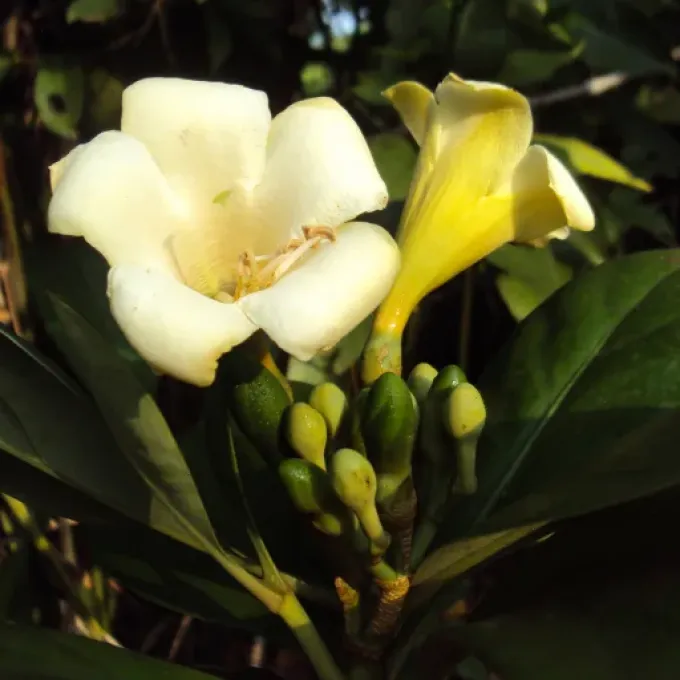
Description
Growing requirements
Cyrtophyllum speciosum belongs to the Gentianaceae family. It is a robust evergreen tree species native to the tropical rainforests of Southeast Asia, where it thrives in high humidity and heat.
The climate requirements include a consistent tropical environment with minimal temperature fluctuations. High annual rainfall is essential for maintaining the optimal growth rates of this species.
Regarding soil preferences, the plant demands well-drained, nutrient-rich substrates. It is particularly sensitive to waterlogging, which necessitates careful site selection in plantation forestry.
Light management is crucial; while mature trees are sun-tolerant, juvenile specimens require partial shade to prevent thermal stress and promote healthy establishment.
Agricultural practices involve maintaining soil fertility through organic amendments and ensuring proper spacing between trees to facilitate air circulation and canopy development.
Harvesting
The primary economic value of Cyrtophyllum speciosum lies in its high-quality timber. The wood is prized for its durability and resistance to biological decay, making it suitable for construction.
Harvesting is typically conducted using selective logging methods. This approach ensures the sustainability of the forest stand and allows for the natural regeneration of the plantation area.
The logs are harvested once the trees reach sufficient diameter, often requiring careful planning of transportation routes to minimize damage to the remaining forest floor.
Processing involves debarking and initial sawing at the site. This traditional practice preserves the material's integrity and quality for high-end furniture manufacturers.
Proper management of the harvest cycle allows foresters to maximize yields while adhering to international standards for sustainable forestry and environmental protection.