
Fragrant Tembusu
Cyrtophyllum fragrans
Description
Growing requirements
Cyrtophyllum fragrans, widely known as the Fragrant Tembusu, belongs to the Gentianaceae family. This evergreen tree is native to the tropical rainforests of Southeast Asia, thriving in regions with high humidity and consistent rainfall patterns.
The plant requires a strictly tropical environment to develop properly. Temperatures should remain within a warm range throughout the year, as the species is intolerant to cold, which significantly hampers its physiological processes and growth rate.
Soil requirements focus on deep, fertile, and well-drained conditions. Loamy soils with an abundant organic matter content are considered ideal. Proper drainage is critical to preventing root rot, which is a frequent challenge in humid agricultural environments.
Standard agronomic practices include regular moisture monitoring and the application of balanced fertilizers during the active growing phase. The species is known for its slow initial growth rate, necessitating patience and consistent care in nursery settings before field planting.
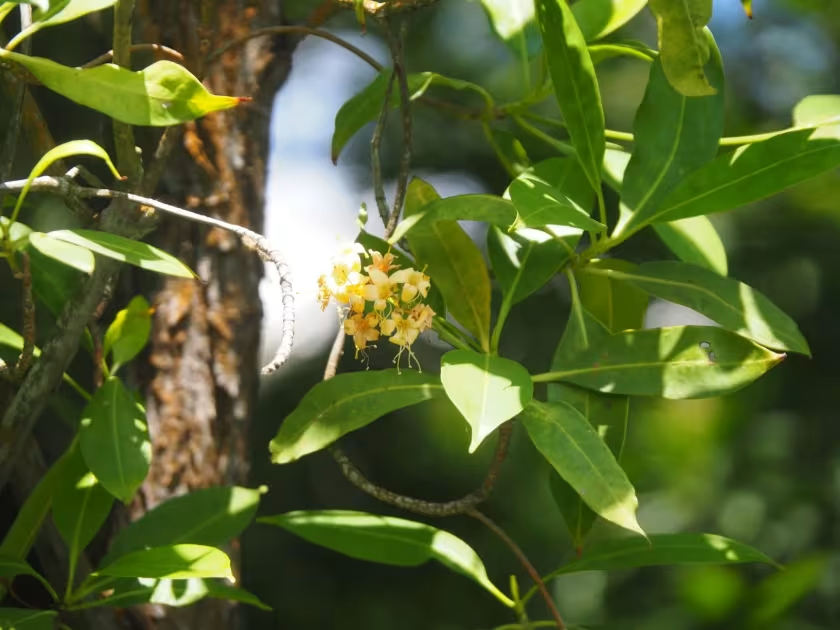
The botanical structure of the Tembusu features a dense canopy and leathery leaves, which contribute to its resilience once established. This structural integrity is a result of evolutionary adaptation to competitive tropical forest ecosystems.
Harvesting
The primary agricultural and economic value of the Fragrant Tembusu lies in its exceptionally durable and high-quality timber. It is extensively used in carpentry and construction due to its natural resistance to decay and termites.
Timber harvesting is managed through sustainable silvicultural practices, focusing on selective logging. This ensures the longevity of the plant populations and maintains the ecological balance in managed forest areas.
Beyond its timber, the tree is famous for its highly fragrant flowers. The aromatic essence extracted from these blossoms is utilized in the fragrance industry, providing a niche but valuable secondary market for cultivated specimens.
Traditional pharmacological uses of the bark and leaves remain a significant interest. Scientific research often examines the alkaloids present in the plant for their potential applications in modern medicine, particularly for their anti-inflammatory properties.
Post-harvest management involves careful drying and curing of the timber. This stage is crucial for ensuring the stability of the wood before it is transformed into finished products, highlighting the importance of post-harvest logistics in forestry.