
Cyrtophyllum giganteum
Cyrtophyllum giganteum
Description
Growing requirements
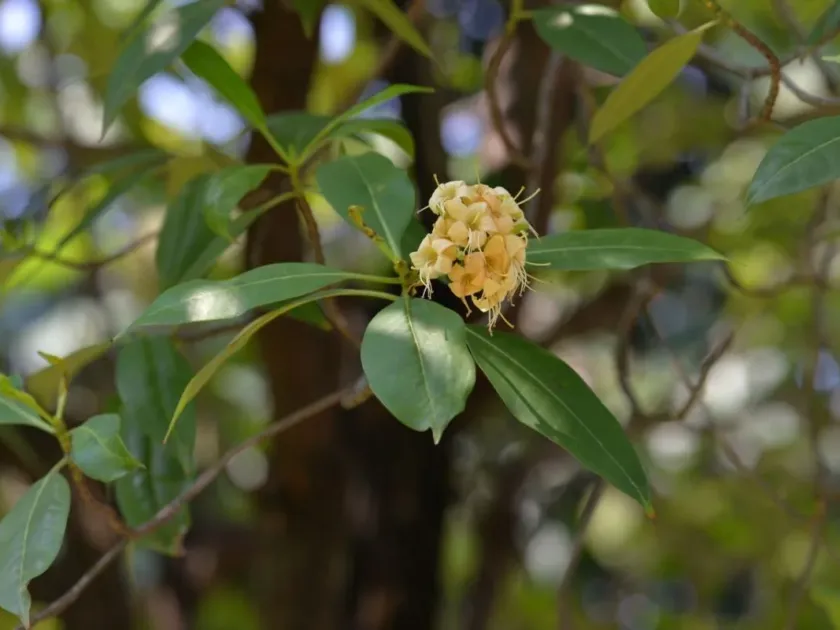
Cyrtophyllum giganteum, commonly referred to as the Tembusu tree, is a majestic evergreen species belonging to the Gentianaceae family. Known for its imposing stature and high-quality timber, this tree is a significant component of tropical forest ecosystems and agricultural plantations in Southeast Asia.
The species is native to humid tropical zones, thriving in areas with high rainfall and consistent temperatures throughout the year. Its biological cycle is deeply adapted to the stable climate of these regions, allowing it to maintain a steady rate of biomass accumulation over long periods.
Successful cultivation requires deep, well-drained soils, ideally of alluvial origin, which provide the necessary nutrients and physical structure for the tree's deep root system. Adequate moisture is essential, though the species is sensitive to waterlogging, necessitating proper drainage management in plantation design.
As a light-demanding species, Cyrtophyllum giganteum requires full sun exposure to achieve its growth potential. In forest management, this involves maintaining optimal spacing between trees to ensure that the crown receives sufficient solar energy, which is vital for both vertical growth and trunk thickening.
Agronomic practices for this tree involve meticulous early-stage care. Young saplings require weed suppression, mulching to retain soil moisture, and periodic nutrient supplementation to ensure survival during the critical initial years before the tree gains sufficient height to dominate the canopy.
Main diseases and pests
Although robust, young plantations can be susceptible to various pests that target foliage and young stems. Integrated pest management (IPM) protocols are essential to monitor for infestations and to apply targeted control methods, such as biological agents, to minimize the need for synthetic chemicals.
Fungal diseases are a primary concern, especially in environments where humidity levels exceed optimal thresholds or where plantation spacing is too dense. Proper spacing, regular thinning, and maintaining tree vigor through sound agronomic care are the best preventative measures against fungal pathogens.
Habitat loss due to large-scale land conversion remains the most significant threat to wild populations of this species. Protecting existing forest areas and integrating the tree into agroforestry systems are vital strategies to ensure the survival and long-term viability of the species in the wild.
Climate variability, particularly uncharacteristic drought cycles, can exert physiological stress on the trees. Managing soil health and moisture retention through organic amendments and strategic water management can help mitigate these stresses and protect the plantation from becoming susceptible to secondary infections.
Comprehensive forest health protection includes continuous research into the species' genetics to identify and propagate genotypes with superior resistance to local pathogens. By leveraging data-driven management and ecological best practices, foresters can optimize the yield and longevity of Cyrtophyllum giganteum stands.
Harvesting
The primary economic value of Cyrtophyllum giganteum lies in its exceptional wood. The timber is highly sought after for its remarkable hardness, durability, and natural resistance to decay and termites, making it a premium material for heavy-duty construction, high-end furniture, and flooring.
Harvesting strategies are characterized by long-term planning due to the tree's slow growth rate. Sustainable forestry operations prioritize selective logging, ensuring that the harvest does not deplete the stock and that new trees are planted to maintain the vitality of the plantation over successive generations.
Beyond timber, various parts of the tree, particularly the bark and leaves, possess pharmacological properties. These are utilized in traditional local medicine systems to treat various ailments, which adds a secondary value to the species in community-based forest management and agroforestry projects.
The aesthetic appeal of the Tembusu tree, with its dense crown and attractive foliage, makes it a popular choice for urban landscaping and park development in tropical regions. It provides essential ecosystem services such as shade and air purification, enhancing the quality of life in urban areas.
Modern nursery techniques, including improved seed selection and optimized propagation methods, have significantly boosted the availability of high-quality seedlings. These advances are crucial for reforestation efforts, ensuring that degraded forest lands can be successfully restored using resilient local species.