
Cyclopogon elatus
Cyclopogon elatus
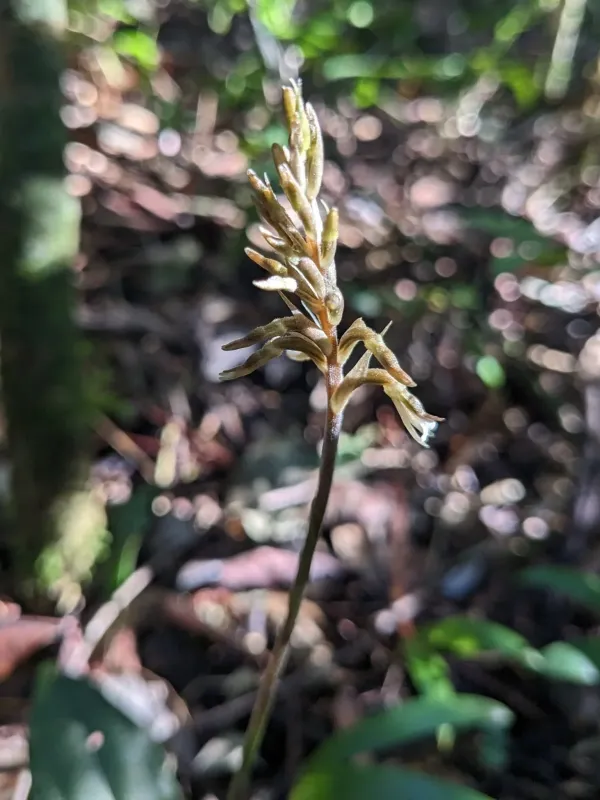
Description
Growing requirements
Cyclopogon elatus is a perennial herbaceous plant belonging to the Orchidaceae family. It is recognized for its unique growth habit and is primarily found in the tropical regions of the Americas, thriving in shaded, humid habitats.
Botanically, this orchid develops basal leaves and an upright inflorescence. It relies on high ambient humidity and well-draining, nutrient-rich media that mimics the decaying organic matter found on forest floors.
Environmental requirements for this species include constant temperatures ranging from 18 to 26 degrees Celsius. Sudden temperature drops should be avoided to prevent physiological stress to the plant tissues.
Light management is crucial, as the plant prefers bright, indirect light conditions. Intense direct sunlight will cause leaf desiccation and chlorosis, significantly hindering the plant's photosynthetic capacity.
Watering frequency should be adjusted based on the substrate moisture level. Using a high-quality, orchid-specific potting mix with bark and perlite ensures proper oxygenation to the root system, which is vital for health.
Main diseases and pests
Root rot is the most prevalent threat to Cyclopogon elatus, usually resulting from overwatering or inadequate substrate drainage. Once root decay initiates, the entire vascular system of the orchid becomes compromised.
Pest infestations such as mealybugs and scale insects can severely damage the plant by extracting sap from the leaves. These pests are often hidden in leaf axils, making regular inspection a necessity for early detection.
Fungal leaf spot diseases may appear if there is poor air circulation combined with high humidity. Maintaining a slight airflow prevents the accumulation of water droplets on the foliage, which is a precursor to infection.
Spider mites represent a risk, particularly in indoor environments with low humidity levels. These pests thrive in dry conditions and can quickly lead to leaf disfigurement and decreased vigor.
To maintain plant vitality, growers should adhere to strict hygiene practices, such as sanitizing potting containers and using clean water sources to avoid introducing pathogens into the growing medium.