
Cyclopogon bicolor
Cyclopogon bicolor
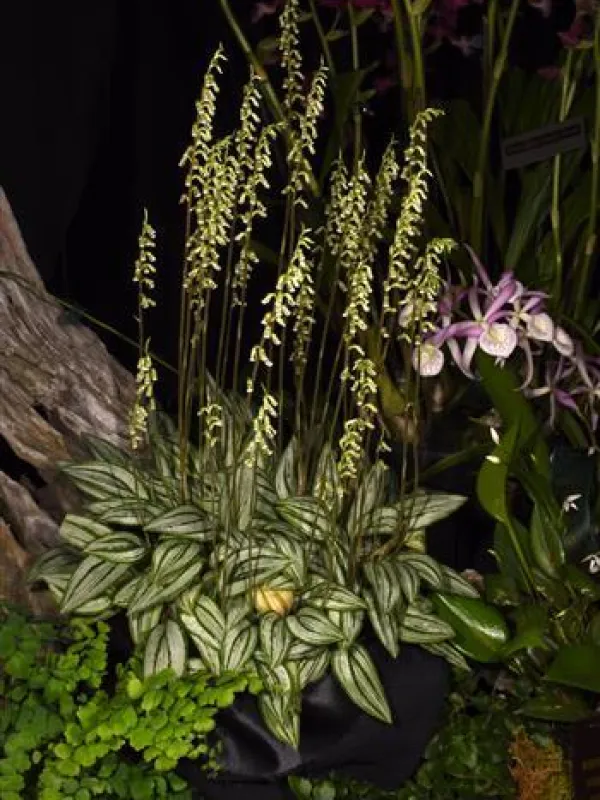
Description
Growing requirements
Cyclopogon bicolor is a species of terrestrial orchid belonging to the Orchidaceae family. Known for its distinct foliage and unique floral structure, it is a prized specimen among orchid enthusiasts and collectors of exotic flora.
The plant originates from the tropical regions of the Americas, where it typically inhabits the forest floor. It thrives in shaded environments, mimicking the low-light conditions found under dense forest canopies in its native habitat.
For successful cultivation, a well-draining, nutrient-rich substrate is essential. Most growers prefer a mixture of organic compost, fine bark, and perlite, which ensures optimal aeration while maintaining necessary moisture levels for the root system.
The environmental requirements include a stable, temperate climate with high ambient humidity. In indoor or greenhouse cultivation, it is crucial to avoid extreme fluctuations in temperature and to provide protection from direct, scorching sunlight.
Watering should be performed with precision, utilizing soft, room-temperature water. The substrate should remain consistently moist but never waterlogged, as stagnant water is detrimental to the plant’s health and leads to root failure.
Main diseases and pests
The most common threats to Cyclopogon bicolor are fungal infections related to improper watering practices. Root rot is a significant risk when the substrate remains saturated for prolonged periods without adequate drainage.
Pests such as spider mites and scale insects are frequent intruders in greenhouse environments. These pests thrive in dry conditions and can cause significant leaf damage, weakening the plant and increasing susceptibility to secondary viral diseases.
Effective pest management involves early detection and the application of appropriate horticultural soaps or systemic insecticides. Regular inspections of the foliage, particularly the undersides of leaves, are vital for maintaining plant vigor.
Proactive prevention includes maintaining excellent air circulation around the plants. Proper ventilation inhibits the growth of mold and mildew, which often develop in humid, stagnant pockets of air within an orchid collection.
Hygiene practices are paramount; using sterilized tools for any necessary pruning or division prevents the spread of pathogens from one plant to another. Keeping the growing area clean reduces the overall disease pressure on the crop.