
Cyclopogon cranichoides
Cyclopogon cranichoides
Description
Growing requirements
Cyclopogon cranichoides is a terrestrial orchid species belonging to the Orchidaceae family. It is native to the tropical regions of the Americas, where it thrives in the understory of dense forests, specifically across the Caribbean, Central, and South American territories.
The cultivation requirements for this species focus on replicating its natural tropical environment. It prefers filtered, low-intensity light and high ambient humidity levels ranging from 60% to 80%, alongside a consistent temperature regime between 18°C and 25°C throughout the year.
Proper soil management is critical, as this plant requires a well-draining, breathable substrate. Growers typically utilize a mix of pine bark, perlite, and organic moss to maintain the necessary moisture retention while preventing the risk of root asphyxiation through compaction.
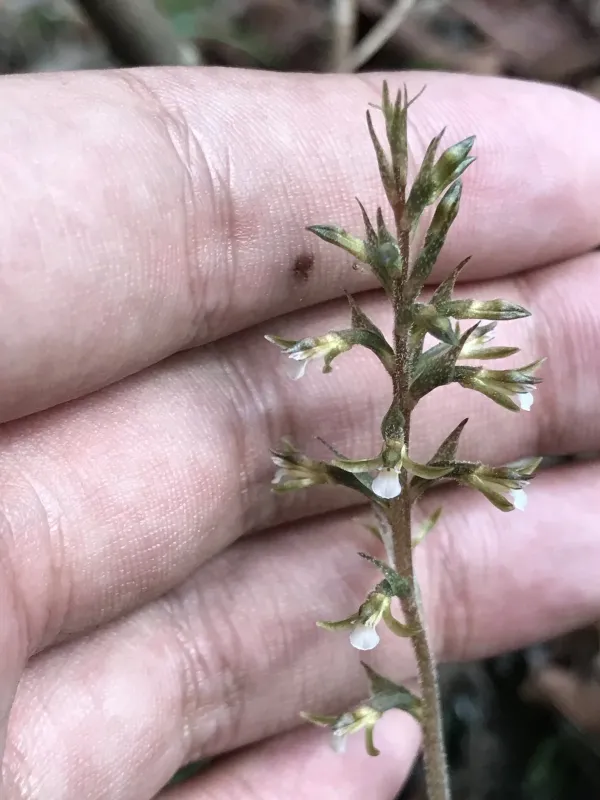
Botanically, the plant is recognized by its basal rosette of leaves and a slender inflorescence spike. The flowers are generally small and inconspicuous compared to larger commercial orchids, yet they possess a unique morphology that makes them highly prized by botanical enthusiasts.
In terms of agricultural or horticultural use, Cyclopogon cranichoides is treated as a specialty crop. It is rarely grown for mass-market purposes, finding its place primarily in private collections, conservatories, and research-focused botanical garden programs.
Main diseases and pests
Common health threats include fungal pathogens triggered by poor ventilation and waterlogged substrate conditions, leading to root rot. Pests such as aphids and spider mites can also infest the plants, particularly in indoor environments where natural predators are absent and air movement is static.