
Cyclopia subternata
Cyclopia subternata
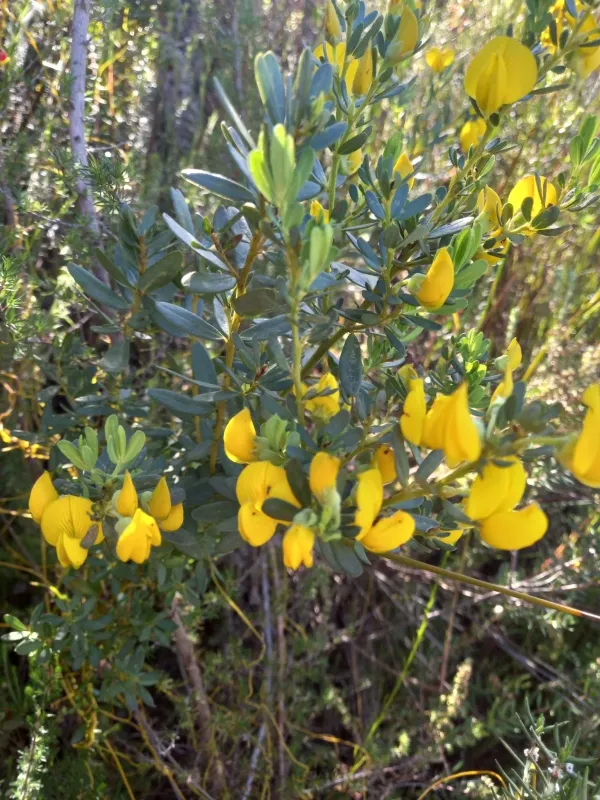
Description
Sowing dates
Propagation is primarily achieved through seeds, which feature a hard, impermeable seed coat that necessitates scarification to improve germination rates.
Nursery cultivation in containers is standard practice, providing a controlled environment that protects the vulnerable seedlings from harsh environmental conditions.
Transplanting into the field is ideally timed to follow the rainy season, allowing the root systems to establish securely before the onset of the hot, dry summer months.
Spacing between plants must be carefully calculated to ensure adequate airflow, which is vital for preventing the accumulation of humidity and fungal pathogen growth.
Experimental agronomy often involves heat treatment of seeds, mimicking the natural wildfire cycles of the fynbos biome to stimulate successful germination.
Growing requirements
Cyclopia subternata is a perennial shrub belonging to the Fabaceae family, widely recognized as one of the primary species used for producing Honeybush tea.
The plant is native to the coastal regions of South Africa's Western Cape, thriving in the unique Mediterranean-type climate characterized by wet winters and dry summers.
It requires well-draining, acidic sandy soils to thrive, which are typical of the fynbos vegetation zone. The species is highly sensitive to waterlogging, which often leads to root rot.
Sunlight exposure is crucial for the development of secondary metabolites in the foliage, which are responsible for the plant's signature sweet, honey-like aroma.
As a legume, it forms symbiotic relationships with nitrogen-fixing bacteria, allowing it to adapt to nutrient-poor soils where other crops might struggle to survive.
Yield
Commercial harvesting typically commences from the third year onwards, as the shrubs require sufficient time to reach the required biomass for sustainable cropping.
The harvest consists of the aerial parts of the plant, including stems and leaves, which contain the complex compounds necessary for tea production.
Regular pruning following the harvest cycle encourages vigorous regrowth and branching, significantly increasing the yield of subsequent production seasons.
A well-maintained plantation can remain economically viable for over a decade, provided that soil fertility is managed and pathogens are kept in check.
Annual yields are influenced by environmental variables such as rainfall patterns and temperature fluctuations, which can impact the concentration of active components.
Main diseases and pests
The most severe agricultural threats involve soil-borne pathogens, particularly Phytophthora species, which thrive in poorly drained or waterlogged soil conditions.
Insect pests can damage the young foliage, necessitating integrated pest management strategies to protect the quality and quantity of the harvestable crop.
Weed management is critical during the establishment phase, as the slow-growing Cyclopia seedlings are easily outcompeted by invasive weeds in the fynbos region.
High humidity levels in coastal environments can lead to powdery mildew outbreaks, causing foliage necrosis and overall reduction in plant vigor.
Uncontrolled wildfires represent an existential threat to plantations, emphasizing the need for robust firebreak infrastructure in agricultural management.
Harvesting
The harvesting process is generally synchronized with the peak flowering period, which represents the optimal stage for chemical composition and flavor profile.
After mechanical or manual harvesting, the material is processed into small particles and subjected to a controlled fermentation phase to unlock the flavor.
Fermentation is a delicate biological process that requires precise control of moisture, heat, and time to develop the traditional deep amber color and honey sweetness.
Post-fermentation, the product is dehydrated using industrial drying equipment to ensure long-term shelf stability while preserving the antioxidant profile.
The final stage includes quality control screening to remove organic debris and foreign material, ensuring that the tea meets international market standards.