
Cyclopia intermedia
Cyclopia intermedia
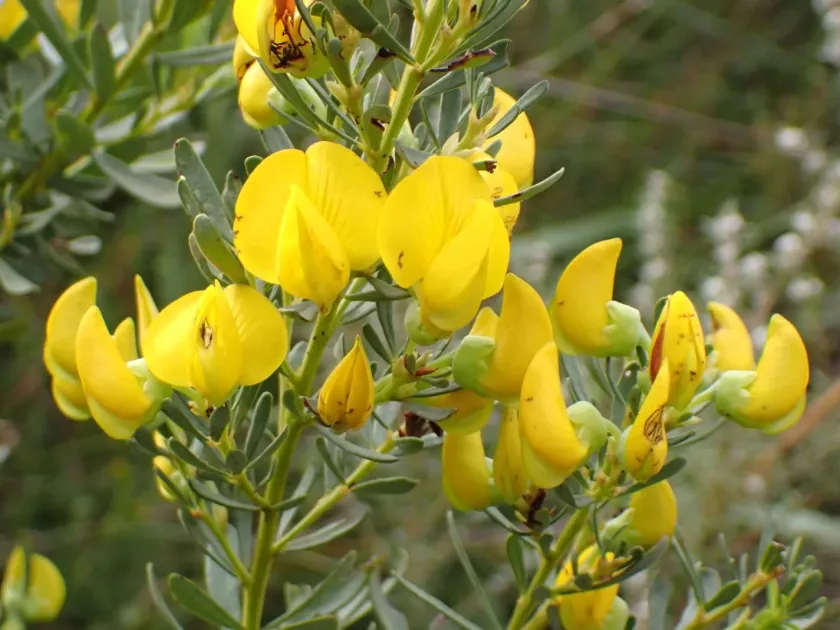
Description
Growing requirements
Cyclopia intermedia is a perennial shrub belonging to the Fabaceae family. It is native to the mountainous regions of the Western and Eastern Cape provinces in South Africa.
The plant thrives in nutrient-poor, acidic sandstone-derived soils, which are typical for the fynbos biome where it naturally grows.
It requires a Mediterranean-type climate with wet winters and dry summers, benefiting from high levels of solar radiation throughout the year.
Proper drainage is essential for the cultivation of this species; waterlogging is detrimental to its roots and often leads to plant death in managed plantations.
In modern agriculture, this crop is highly valued for producing a caffeine-free tea, which is globally recognized for its health benefits and honey-like aroma.
Main diseases and pests
Fungal infections pose a significant risk to Cyclopia plantations, especially when humidity levels remain high for extended periods during the growing season.
Insect pests, such as weevils and various boring beetles, can damage stems and roots, potentially leading to a sharp decline in plant vitality and yield.
Nematodes are another biological threat, particularly in soils where crop rotation is not practiced, as they can cause severe damage to the root system.
Wildfires are a natural but destructive element, though the plant has evolved certain mechanisms to survive and regenerate after minor heat exposure.
Proactive management, including regular monitoring of soil health and plant vitality, is crucial to prevent widespread outbreaks of diseases and pest damage.
Harvesting
Harvesting Cyclopia intermedia is typically performed by hand-cutting stems during the flowering stage, which ensures the highest concentration of essential oils.
Care must be taken to maintain the structural integrity of the main branches to ensure that the plant can continue to grow and provide yields for subsequent seasons.
Following the harvest, the material undergoes a traditional fermentation process, often involving heat, which develops the characteristic deep color and honey-sweet flavor profile.
Efficient drying and sorting are the final steps in the harvest workflow to guarantee product stability and prevent microbial degradation during storage.
Sustainable harvesting practices are encouraged to prevent the over-extraction of plants from the wild and to promote the growth of managed organic fields.