
Cutandia maritima
Cutandia maritima
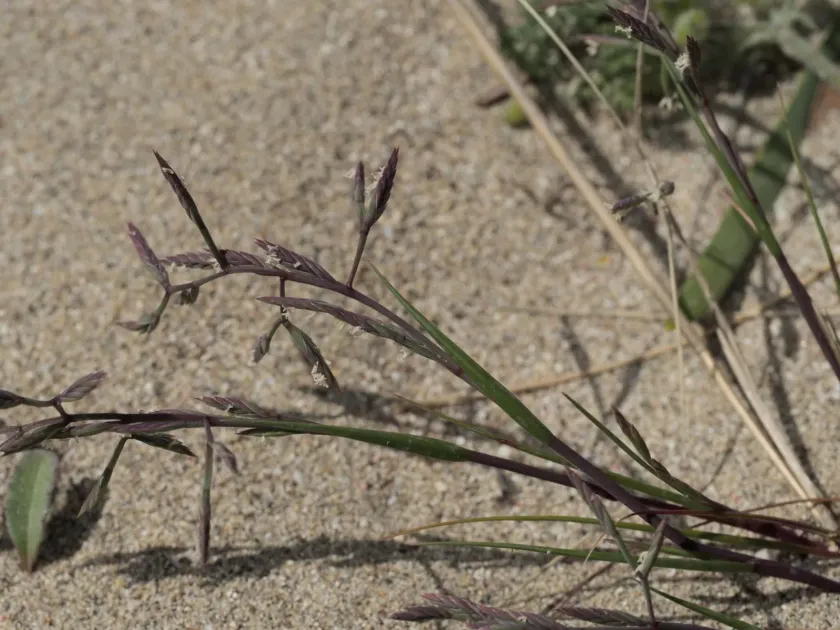
Description
Growing requirements
Cutandia maritima is an annual grass species belonging to the Poaceae family. While not a conventional crop for food production, it is highly valued in environmental agronomy for its unique ability to thrive in harsh, coastal sandy environments.
The species is native to the Mediterranean basin and various coastal areas of Europe. It is naturally adapted to survive in environments where nutrient availability is low, salinity levels are fluctuating, and wind speeds are consistently high.
Botanically, this plant displays xerophytic characteristics. It features a dense, fibrous root system that excels at binding loose sand particles together. The leaves and stems are rugged, allowing the plant to resist mechanical damage from salt-laden winds and shifting dunes.
Regarding its habitat requirements, the plant necessitates full sun exposure and well-drained, sandy soils. It cannot tolerate waterlogging, which often leads to root rot. High solar radiation is essential for its life cycle and seed production stages during the summer season.
Its primary agricultural and environmental use is soil conservation. Cutandia maritima is an ideal candidate for revegetating degraded sand dunes, preventing soil erosion, and acting as a pioneer species that prepares the soil for more complex ecological succession.
Main diseases and pests
The main threats to the plant are habitat destruction due to beach tourism and coastal development. Because the plant relies on stable dune dynamics, significant changes in the coastline topography can negatively impact its population and natural regeneration processes.
In terms of pests and diseases, the species is relatively resistant due to its tough, siliceous leaves. However, it can be susceptible to localized outbreaks of aphids or fungal pathogens if the plants are stressed by severe moisture imbalances or abnormal climatic conditions.