
Cutandia divaricata
Cutandia divaricata
Description
Growing requirements
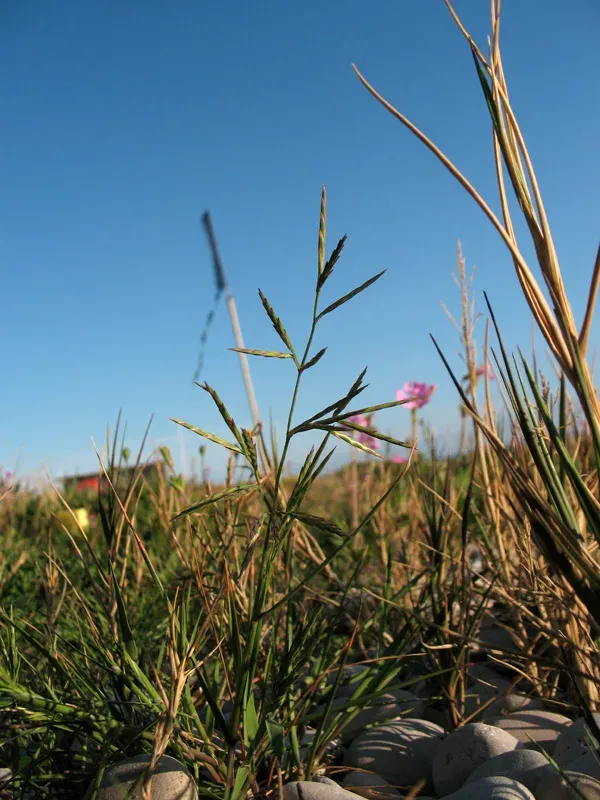
Cutandia divaricata is an annual grass species belonging to the family Poaceae. This plant is well-adapted to harsh environmental conditions, commonly found in coastal regions and sandy areas where other species struggle to establish.
The origin of this species is primarily linked to the Mediterranean basin. Its natural habitat includes sandy dunes and rocky substrates, which dictates its high physiological tolerance to arid conditions and soil salinity.
Botanically, it is recognized by its divaricating, spreading panicle, which gives the plant its name. The stems are relatively short, typically ranging from 10 to 30 centimeters, with narrow, adapted foliage designed for extreme solar exposure.
Soil requirements for Cutandia divaricata are relatively modest. It thrives in low-nutrient environments, such as sandy and gravelly soils. Good aeration is essential, as the plant cannot tolerate waterlogged conditions which inhibit its root development.
Climatic requirements involve high light intensity and warm temperatures. This species excels in arid and semi-arid zones, where its life cycle is optimized to avoid the most severe seasonal droughts through rapid maturation.
Main diseases and pests
The plant demonstrates significant natural resistance to common agricultural diseases. However, in poorly drained or overly humid conditions, it may become susceptible to fungal pathogens affecting the root system.
Pests that may impact the crop include orthopteran insects, which feed on the foliage. Monitoring these populations is crucial during the early stages of plant development to ensure crop survival and healthy biomass production.
Competition from invasive plant species is the primary threat to the stability of Cutandia populations. Regular management practices are necessary to provide the plant with sufficient space and resources to compete effectively.
Soil erosion caused by wind or water can lead to the displacement of the plant, especially in sandy dune ecosystems. Protecting the soil structure is essential for maintaining the long-term vitality of the grass stand.
Overgrazing represents a major threat in regions where this grass is utilized for forage. Implementing sustainable grazing strategies helps to maintain the plant's population density and prevents the total loss of the vegetative cover.