
Curcuma rhabdota
Curcuma rhabdota
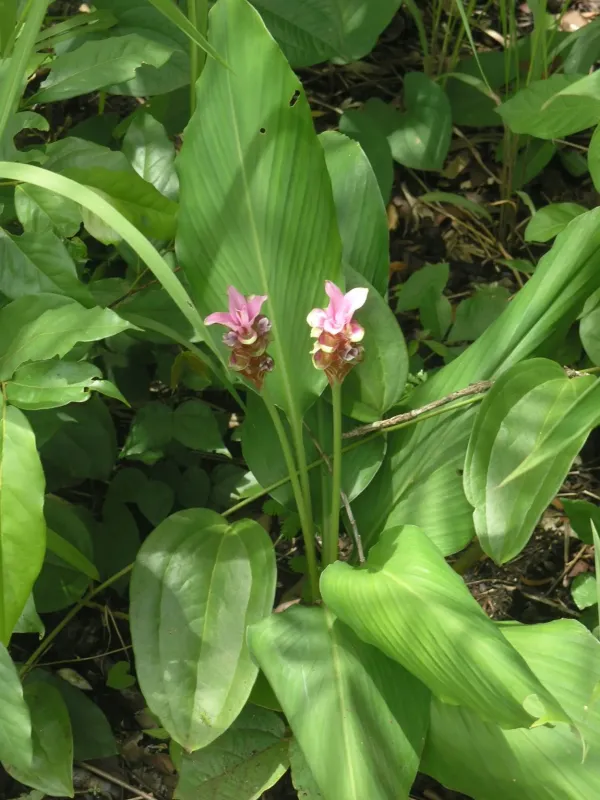
Description
Sowing dates
Curcuma rhabdota belongs to the Zingiberaceae family and is primarily propagated through the division of its rhizomes. This vegetative method ensures the consistency of plant traits for commercial production.
Planting should occur in early spring when the soil temperature consistently reaches 20-25 degrees Celsius. Ensuring the soil is sufficiently warm is critical for the initial establishment and development of the root system.
Rhizomes are planted at a depth of 5 to 8 centimeters. Proper spacing between plants is essential to facilitate adequate airflow, which reduces the incidence of fungal diseases during the growing season.
The soil preparation process involves deep tillage and the incorporation of organic amendments to boost nutrient levels. Well-drained soil is vital, as excessive moisture can lead to the rotting of the rhizomes shortly after planting.
Selecting healthy, disease-free rhizome fragments is the most important step in the cultivation process. Only high-quality planting material should be used to guarantee a productive harvest and robust plant growth.
Growing requirements
Curcuma rhabdota thrives in tropical climates characterized by warm temperatures and high humidity. Optimal growth is observed when temperatures remain within the 22-30 degrees Celsius range throughout the season.
While the plant requires sufficient light, it is best suited for environments with partial shade. Direct, intense sunlight can lead to leaf scorching, which reduces the plant's overall photosynthetic efficiency.
Soil requirements include high organic matter content and a neutral to slightly acidic pH. The structure should be loose to allow the rhizomes to expand without restriction and to ensure proper drainage.
Regular irrigation is necessary to keep the soil consistently moist but not saturated. Drought stress can severely limit the growth of the rhizomes, leading to lower crop yields and reduced product quality.
Applying organic mulch around the base of the plants helps maintain soil moisture levels and protects the root zone from extreme temperature fluctuations, promoting healthier and more vigorous plant development.
Main diseases and pests
Fungal diseases, particularly Pythium and Fusarium wilt, represent the most significant threat to Curcuma rhabdota plantations. These pathogens thrive in poorly drained soils with stagnant moisture.
Root-knot nematodes can cause significant damage to the rhizomes, significantly reducing crop vigor. Implementing crop rotation practices and using certified disease-free planting stock are essential for effective management.
Foliar pests, such as aphids and leaf-eating beetles, may attack the above-ground portions of the plant. Monitoring and early intervention with biological controls are recommended to prevent infestations from spreading.
Bacterial wilt can spread rapidly through contaminated tools or soil. Strict adherence to sanitation protocols, including the disinfection of agricultural equipment, is necessary to mitigate the risk of pathogen transmission.
A proactive scouting program is essential for all commercial plantings. Identifying infected plants early and removing them from the field helps to maintain the health of the entire crop population.
Harvesting
Harvesting is typically carried out after the foliage has matured, yellowed, and begun to die back. This period marks the end of the growth cycle and ensures maximum nutrient accumulation in the rhizomes.
Rhizomes must be carefully unearthed to avoid physical injuries. Any cuts or bruises on the rhizomes can lead to rapid post-harvest decay, so gentle handling is essential for maintaining product shelf life.
Following harvest, the rhizomes are cleaned of soil and debris. Sorting by size and quality is performed to categorize the product for different market requirements or for use as future planting stock.
Drying is a critical post-harvest step that must be conducted under controlled conditions. Maintaining appropriate temperatures ensures the preservation of essential oils and other valuable biochemical compounds.
Finally, the cured rhizomes should be stored in a cool, dry, and dark environment with good ventilation. Regular inspections are necessary to ensure the quality of the stored goods remains high until distribution.