
Chinese Cryptolepis
Cryptolepis sinensis
Description
Growing requirements
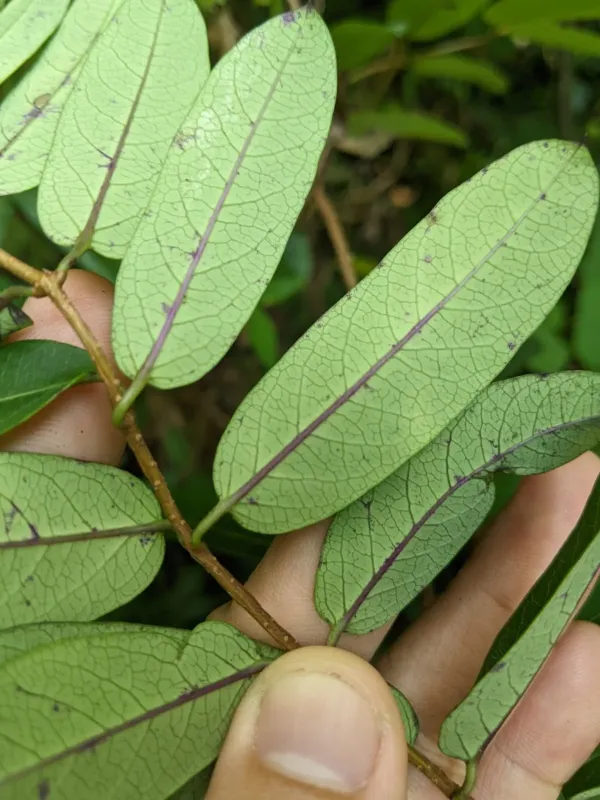
Chinese Cryptolepis (Cryptolepis sinensis) is a perennial woody climber belonging to the Apocynaceae family. It is native to the subtropical and tropical regions of Asia, where it typically inhabits forest edges, shrublands, and humid riparian zones, reflecting its need for a stable and warm climate.
The plant thrives in well-lit environments but requires protection from direct, scorching sun during peak hours. Moderate humidity is essential for maintaining leaf turgor and promoting vigorous growth, making the plant particularly suitable for greenhouse or protected cultivation in non-native climates.
Soil requirements for Cryptolepis sinensis focus on excellent drainage and a nutrient-rich organic composition. The root system is sensitive to waterlogging; therefore, sandy or loamy soils with adequate aeration are preferred to prevent root rot and promote healthy lateral root development.
Agronomic management relies heavily on the provision of structural supports, such as trellises or poles, which allow the plant to exhibit its natural vining behavior. Proper spacing is necessary to ensure adequate ventilation between plants, which is crucial for preventing fungal infections in humid conditions.
Fertilization regimes should be balanced, focusing on nitrogen during the early growth phase and increased potassium levels as the plant approaches maturity. Regular monitoring of the soil moisture levels is necessary to ensure that the substrate remains moist but not saturated throughout the growing season.
Harvesting
The primary agricultural interest in Chinese Cryptolepis lies in its application in traditional and modern medicine. The plant is valued for the extraction of bioactive secondary metabolites, specifically alkaloids, which are investigated for their potential antimicrobial and anti-inflammatory properties.
Harvesting involves the collection of stems and leaves, which are processed into dried raw material or extracts. The optimal harvest timing is determined by the seasonal maturity of the foliage, ensuring that the concentration of chemical constituents meets pharmaceutical quality standards.