
Cryptolepis oblongifolia
Cryptolepis oblongifolia
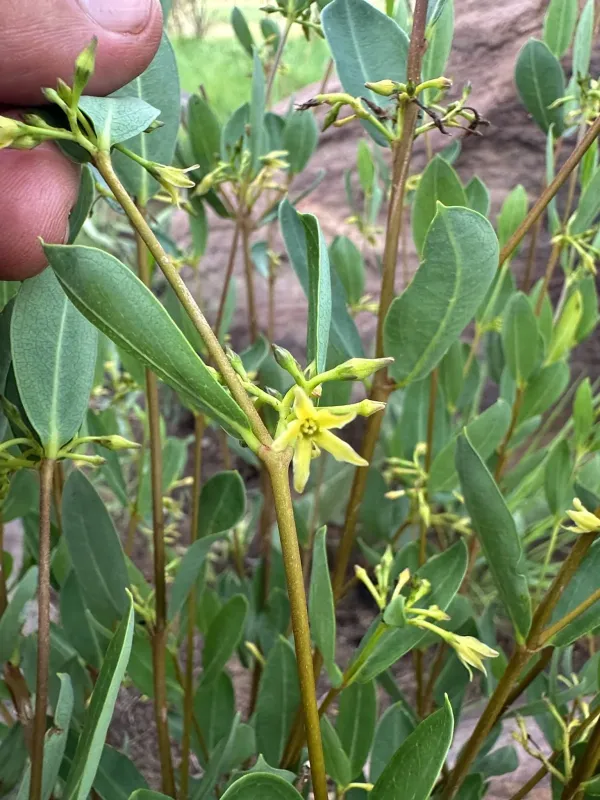
Description
Growing requirements
Cryptolepis oblongifolia is a perennial herb or subshrub belonging to the Apocynaceae family. This species is native to tropical and subtropical African regions, where it thrives in diverse environmental conditions.
The plant requires well-drained, fertile soil with a neutral or slightly acidic pH balance to perform optimally. It is a light-demanding species that needs full exposure to sunlight for vigorous growth and effective secondary metabolite production.
In terms of climate, it flourishes in warm environments and lacks cold tolerance, making it suitable for cultivation in regions without severe frosts or in protected greenhouse environments.
Agricultural management involves regular weeding and maintaining consistent soil moisture levels without causing waterlogging, which is critical for the development of the plant's root system.
The plant is highly regarded in ethnobotany and modern phytochemistry for its secondary metabolites. It is primarily utilized in the production of herbal supplements due to its antimicrobial and anti-inflammatory properties.
Main diseases and pests
Major threats to Cryptolepis oblongifolia include fungal pathogens, particularly root rot, which typically occurs under conditions of poor soil aeration and excessive humidity.
Pest management is focused on controlling common greenhouse pests such as spider mites and aphids, which can damage foliage and stunt plant growth if left unmanaged.
Proper spacing is crucial to prevent the spread of diseases, as high plant density promotes microclimates that are favorable for the development of mold and various bacterial infections.
Prevention strategies involve maintaining a clean growing environment, regular pruning of damaged tissues, and the use of appropriate biological control methods.
Monitoring the moisture content of the soil and air circulation is the most effective way to minimize the risks associated with typical agricultural pathogens for this species.